
Nara's 118-Year-Old Prison Is Now a Hotel
We wrote about Nara Prison Museum when it opened back in April, a genuinely unusual day out built inside one of Japan’s last intact Meiji-era prisons. What we didn’t know then was that the same building was already seven years into becoming something else entirely: a 48-suite luxury hotel.
HOSHINOYA Nara Prison opened on 25 June 2026, and it’s exactly what it sounds like, guest rooms built from combined prison cells, a central lounge in the former guardhouse, and fine dining in what used to be solitary confinement. It’s the ninth hotel in Hoshino Resorts’ flagship HOSHINOYA brand, and by every account we’ve found, including two independent reviewers who’ve actually stayed there, it’s one of the more thoughtfully done heritage conversions anywhere in the world right now.
It’s the same building we wrote about the first time, a genuine restoration, not a theme, just seen this time from the inside of an overnight stay rather than a day visit.
What Are the Suites Like at HOSHINOYA Nara Prison?
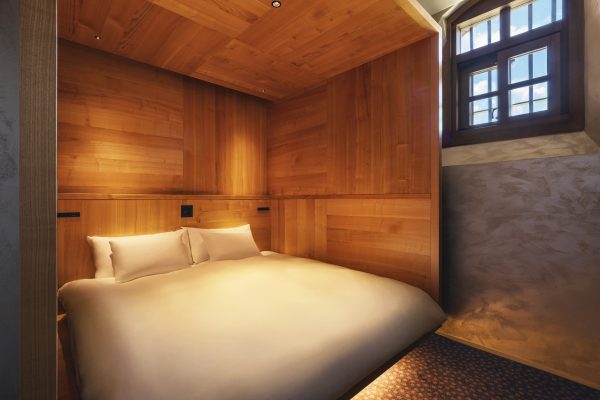
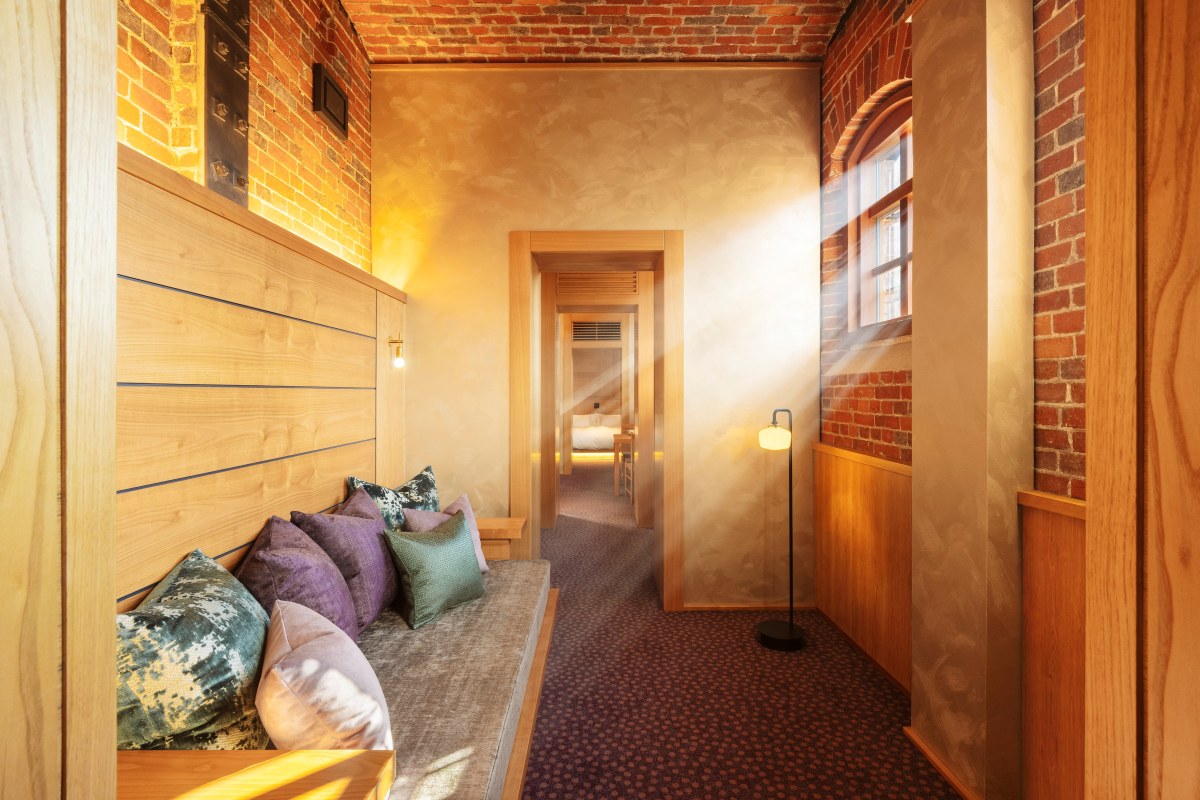
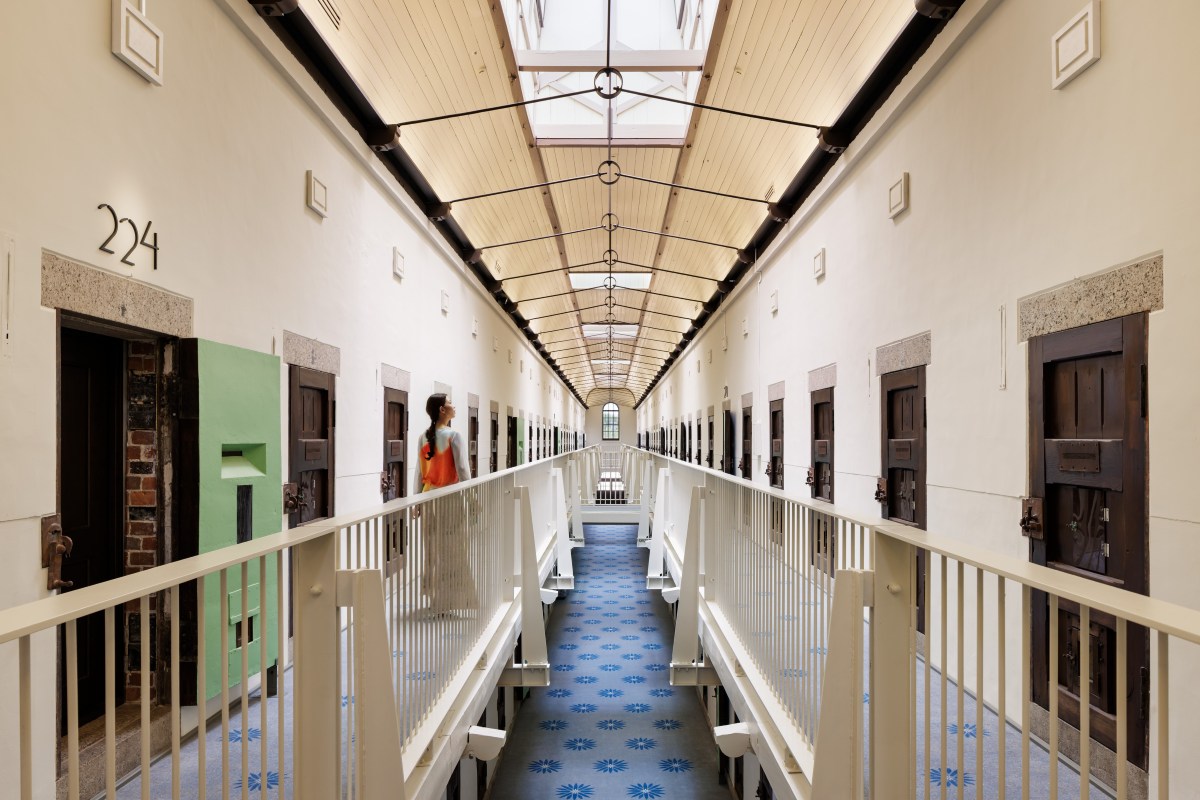
Every one of the 48 suites is built by combining multiple original cells, nine for the smallest category, ten for the next, and eleven for the Deluxe, the largest room in the hotel. The 9-Cell and 10-Cell suites run roughly 50 to 60 square metres, some with original chestnut wood flooring, others carpeted, all sitting under exposed brick vaulted ceilings. The Deluxe suite is a different scale entirely, nearly 20 metres long and under three metres deep, closer in shape to a train carriage than a typical hotel room, with a floor bed tucked into a wooden box at one end and a deep soaking tub at the other.
There’s a nice symmetry to who’s actually responsible for this building, both then and now. Nara Prison was originally designed by Keijiro Yamashita, a Meiji-era government architect, as one of Japan’s “Five Great Prisons,” a wave of purpose-built facilities constructed as the country modernised its legal and correctional systems. Well over a century later, it’s Rie Azuma, who designs every HOSHINOYA property, who’s handled the conversion. She’s spoken about being drawn to the building’s “otherworldly quality,” spatial beauty despite being built for confinement, and that shows in the finished rooms: plush furniture, warm wood, lavender face masks and hinoki bath sachets, hand-knitted socks, and a hi-fi system stocked with curated music, no television in the Deluxe suite at least, going by the one guest review we’ve found who stayed in that specific category.
The building’s constraints shaped the design rather than fighting it. The high, narrow windows are original and couldn’t be altered, so the team built new wooden frames on the inside, letting the old iron bars effectively disappear. Brickwork laid by the prison’s first inmates has been exposed beneath a century of plaster, and heritage protections meant no nails could go into that brick, everything had to be fixed into the mortar instead. Even the low entry doors, just over 1.5 metres high, were deliberately left without automatic locks, a small, thoughtful choice given what these rooms used to be.
What’s the Food Like at HOSHINOYA Nara Prison?
Breakfast and dinner are both served privately, in individual dining rooms built from what used to be solitary confinement cells, high windows framing the sky above.
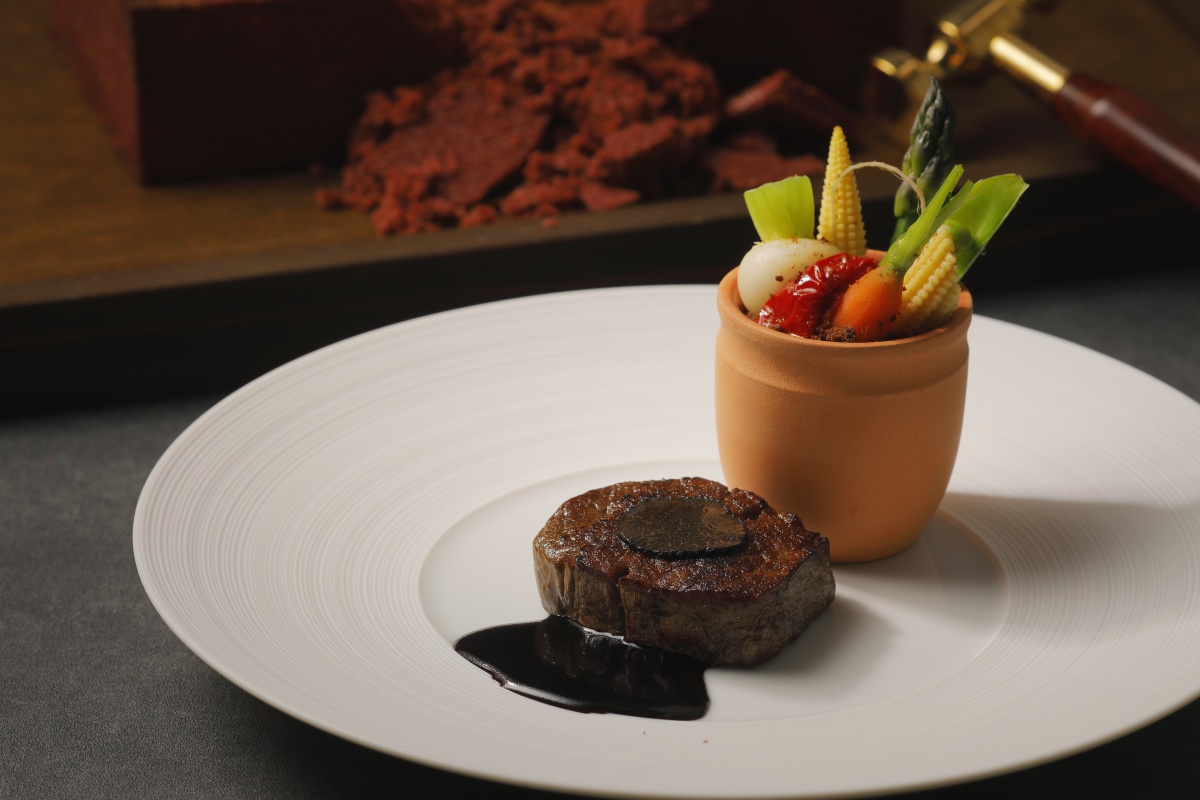
The signature experience is the Gastronomy Chronicle, a multi-course tasting menu that plots Japan’s progress through the Meiji Restoration, opening with a dish inspired by yōshoku, the Japanese-European fusion cooking that emerged as the country first opened to Western influence. Reviewers who’ve eaten it describe genuinely theatrical moments: a candle that conceals foie gras, a terracotta pot of vegetables plucked from edible “dirt”, a brick of red salt smashed open at the table to reveal a wagyu fillet inside. It’s playful rather than overly serious, and even reviewers who found parts of it a little gimmicky still came away calling it fun.
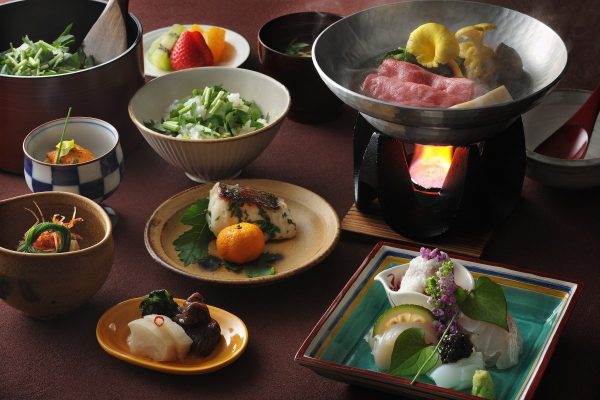
For something more straightforward, there’s a wagyu shabu-shabu dinner, served with citrus-infused noodles, and a Hamburg steak option, both nods to the surge in beef consumption Japan saw during the Meiji era. Vegetarian options are available too.
Breakfast runs three ways: Japanese, Western, or the Civilisational Modernisation Breakfast, built around the Western dishes that first arrived in Japan during this period, think Scotch eggs, fried prawns and crab croquettes. It’s served 7am to 9:30am, exclusively for hotel guests, and bookings are required
What Activities and Experiences Are Included?
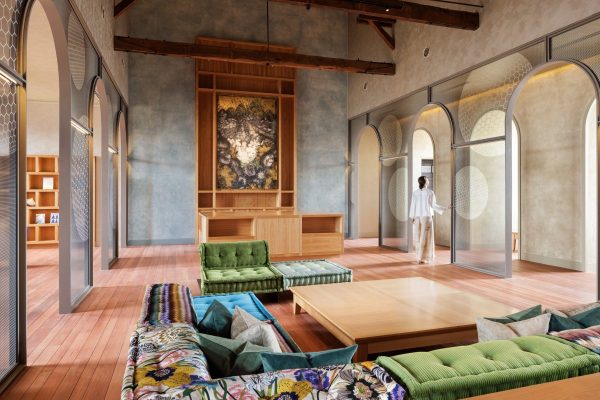
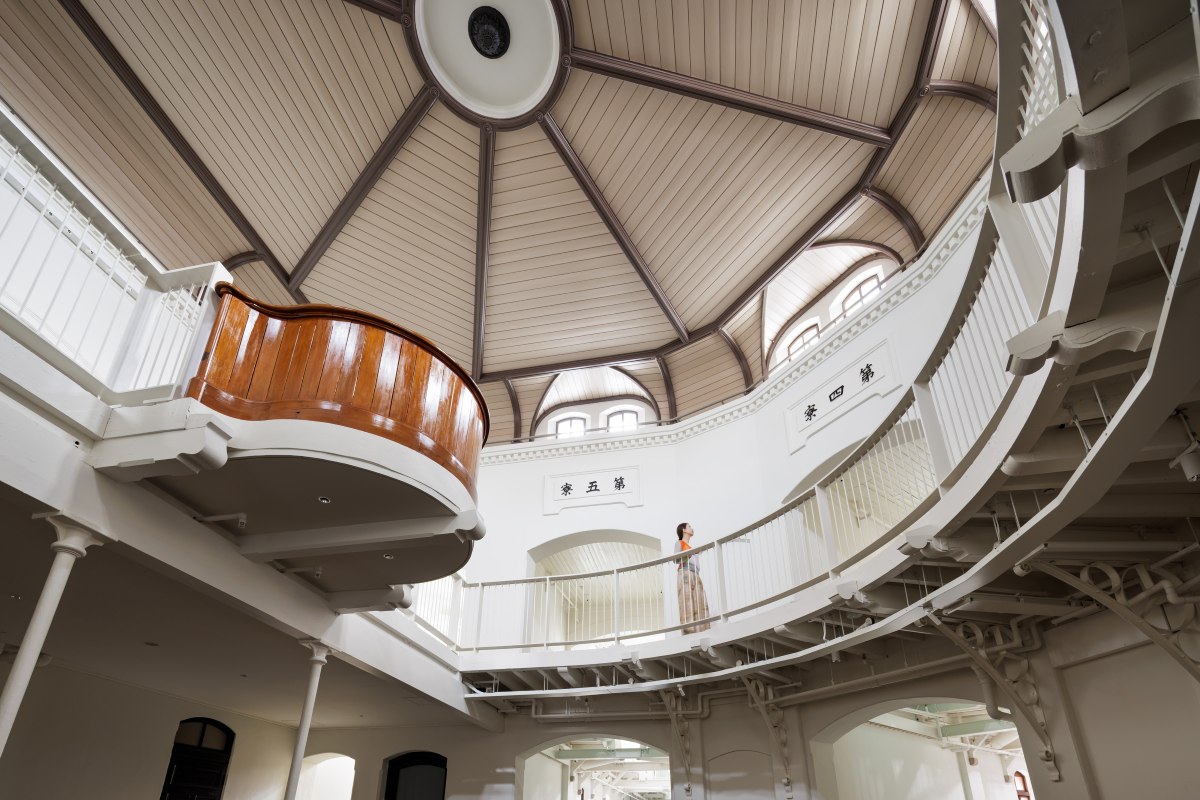
The former assembly room, where prisoners once gathered for ceremonies and lectures, is now the hotel’s central lounge, an open, skylit space with dark timber beams framing views down all four guest wings. Elsewhere, a former chapel now hosts the hotel’s quieter daytime rituals.
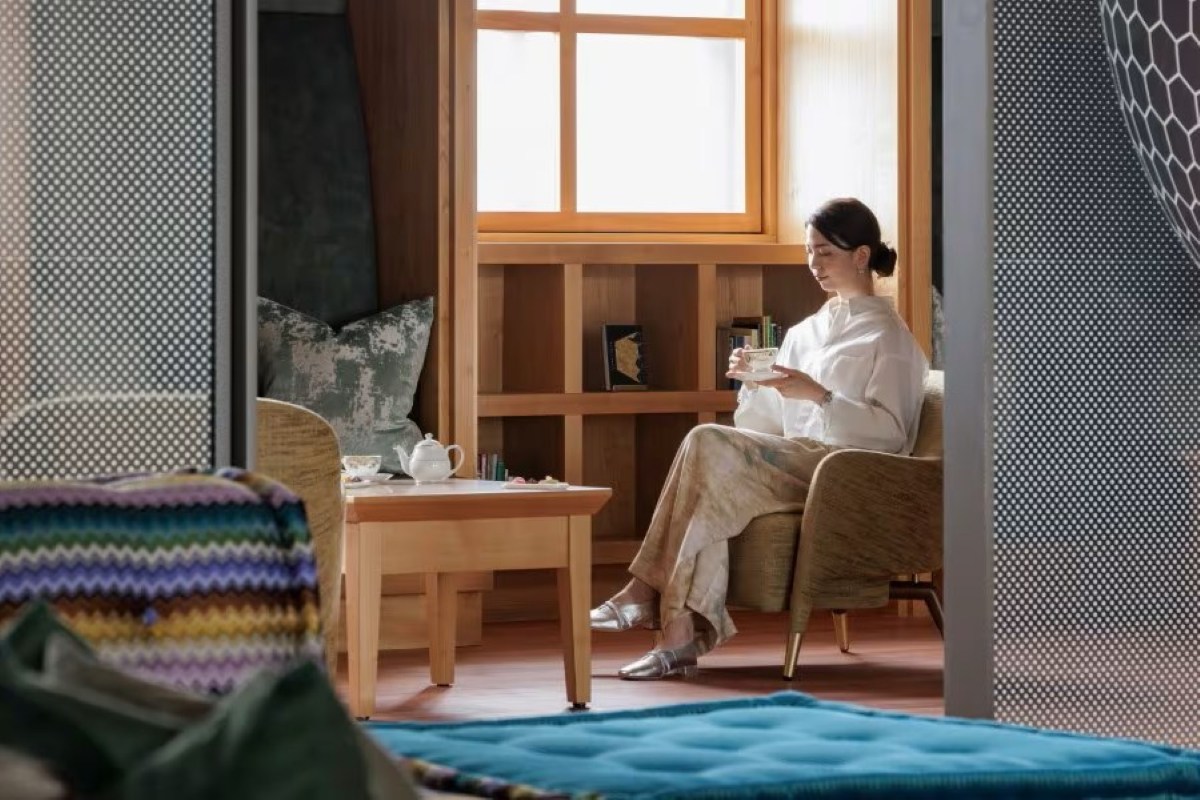
The Akane Tea Salon is complimentary, served in Meiji-era inspired tea sets, featuring locally grown Wakōcha black tea, itself a relatively new import to Japan in that period. Evenings shift into the Gramophone Soiree, a complimentary, adults-only (20+) gathering built around vintage gramophone music, with cocktails, spirits, wine and Champagne available to purchase. For something more hands-on, the Evening Fragrance Blending experience, a paid add-on rather than a complimentary one, lets guests create their own scent, tying into the perfume culture that also arrived in Japan during the Meiji era, finished with a take-home gift box and terracotta diffuser.
Mornings are simpler by design: a complimentary fitness session using lightweight dumbbells crafted from local Yoshino cedar, paired with guided breathing and stretching drawn from a Meiji-era concept of “physical culture.” No gym, no fitness centre, just this.
Do Hotel Guests Get Access to the Museum?
Yes, and without needing to book ahead. While the general public needs a reservation and a ticket to visit Nara Prison Museum, hotel guests get complimentary access with no reservation required, a genuine perk given how popular the museum has been since it opened in April.
That access includes the one wing of the original five that wasn’t converted into guest rooms, left largely as it was, preserved rather than restored. Guests effectively get to see both sides of the same building: the four wings reimagined as the hotel, and the fifth left exactly as it was when the last inmate walked out.
If you haven’t read our piece on the museum itself, it’s worth a look before booking a stay here, it covers the full exhibition across all three buildings, the history of the Haviland System layout, and what to actually expect from a visit.
Is It Right for You?
Worth being honest about what this hotel isn’t. There’s no spa, no pool, and no gym, confirmed both by guests who’ve stayed there and by the hotel’s own listed facilities, which show only a restaurant and lounge. That’s deliberate rather than an oversight, the whole property is built around slowing down and turning inward, not the usual five-star checklist. The hotel’s general manager has described it as a bigger project than a hotel alone, the preservation of the entire building, and that focus on self-reflection over amenities runs through everything here.
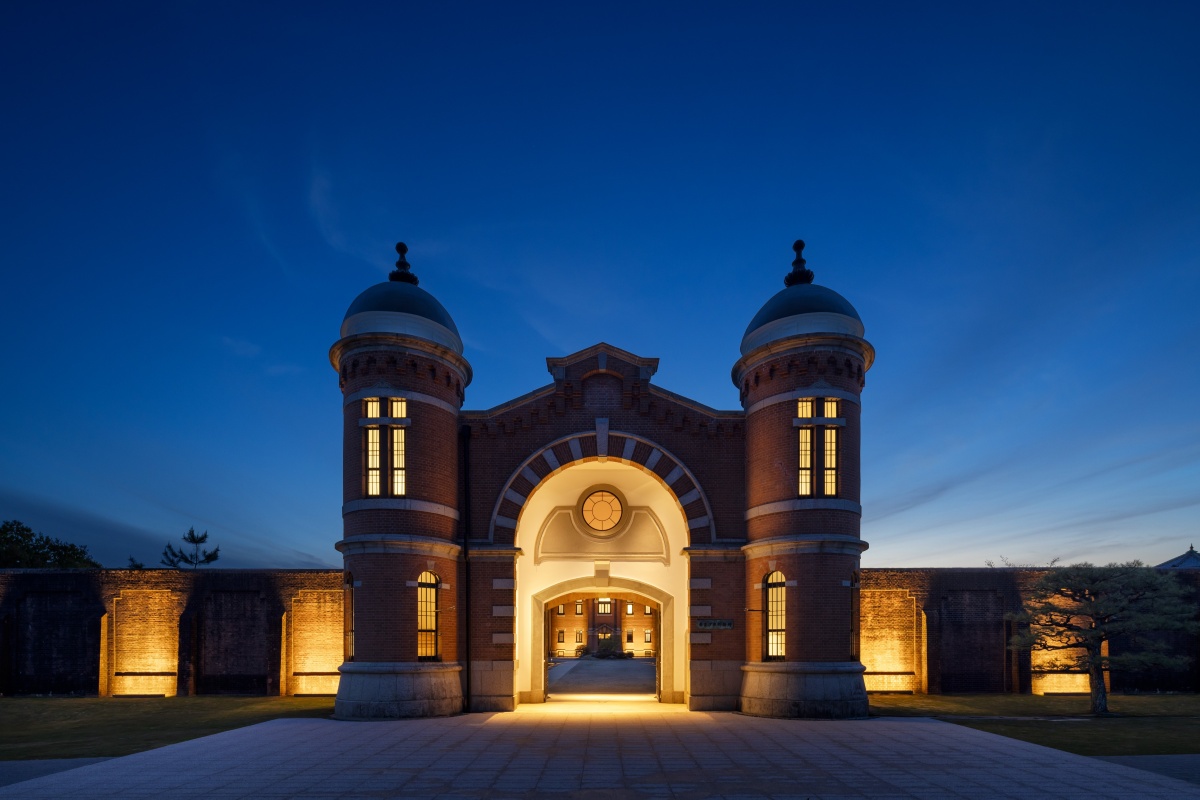
It’s also genuinely built for staying in rather than heading out. The gates are locked most of the day and guests use a passcode to come and go, and it sits north of Nara’s town centre rather than right in the middle of it. If your idea of a good stay involves ticking off a full day of sightseeing, this probably isn’t the base for it. That said, Nara’s biggest drawcards, Todai-ji and its Great Buddha, the deer park, are close enough that you don’t need to treat them as a separate day trip from Kyoto, and Kyoto itself is roughly 30 minutes away by train, genuinely useful if you’re routing a Japan itinerary through the Kansai gateway.
A couple of practical notes worth knowing. There’s no wheelchair-accessible room among the 48 suites, though there is an accessible bathroom near reception, and the adjoining museum is fully ramp-accessible if that matters to your group. And if you’re chasing hotel loyalty points, HOSHINOYA properties don’t sit inside a points-based programme, so this one won’t add to an existing scheme.
This suits a couple or solo traveller after a genuinely still few days, somewhere to read, soak, eat well and think, rather than a home base for exploring the region hard. It’s less suited to families wanting resort facilities, or anyone whose priority is maximum sightseeing per day.
Let AMPED Build This Into Your Japan Trip
Between the museum and the hotel, Nara Prison has gone from a place nobody wanted to end up in, to one people are now actively booking a stay in. Whether you’re after a day visit or a few nights somewhere genuinely unlike anywhere else in Japan, it’s worth building into a Kansai-based leg of your trip, alongside Kyoto, Osaka, and onward to wherever your snow holiday actually takes you.
Get in touch with the AMPED team, and we’ll work HOSHINOYA Nara Prison, or the museum alone, into your next Japan snow holiday. Less stress, more stoke.