
Hakuba, Niseko & More: Japan's Festive Ski Season
Christmas and New Year are two genuinely different experiences in Japan. Christmas Day itself isn’t a public holiday anywhere in the country, so where a Western-style celebration exists, it’s something resorts have built deliberately, Santa suits, fireworks, DJ parties. New Year is where the real cultural weight sits, and depending on where you go, it shows up right alongside the Western side of things, sometimes at the very same resort.
We’ve skied all four of the resorts below ourselves, so here’s our honest read: Hakuba‘s our pick if you want one resort that does both sides properly, Western Christmas events and genuine Japanese New Year tradition, with easy English support throughout, it suits a first-time snow family better than anywhere else here. Shizukuishi suits a family after something more purely Japanese. Appi Kogen suits anyone chasing serious powder over the festive period. Niseko suits those wanting Japan’s biggest, most developed resort scene. Here’s why.
Festive Events and Atmosphere
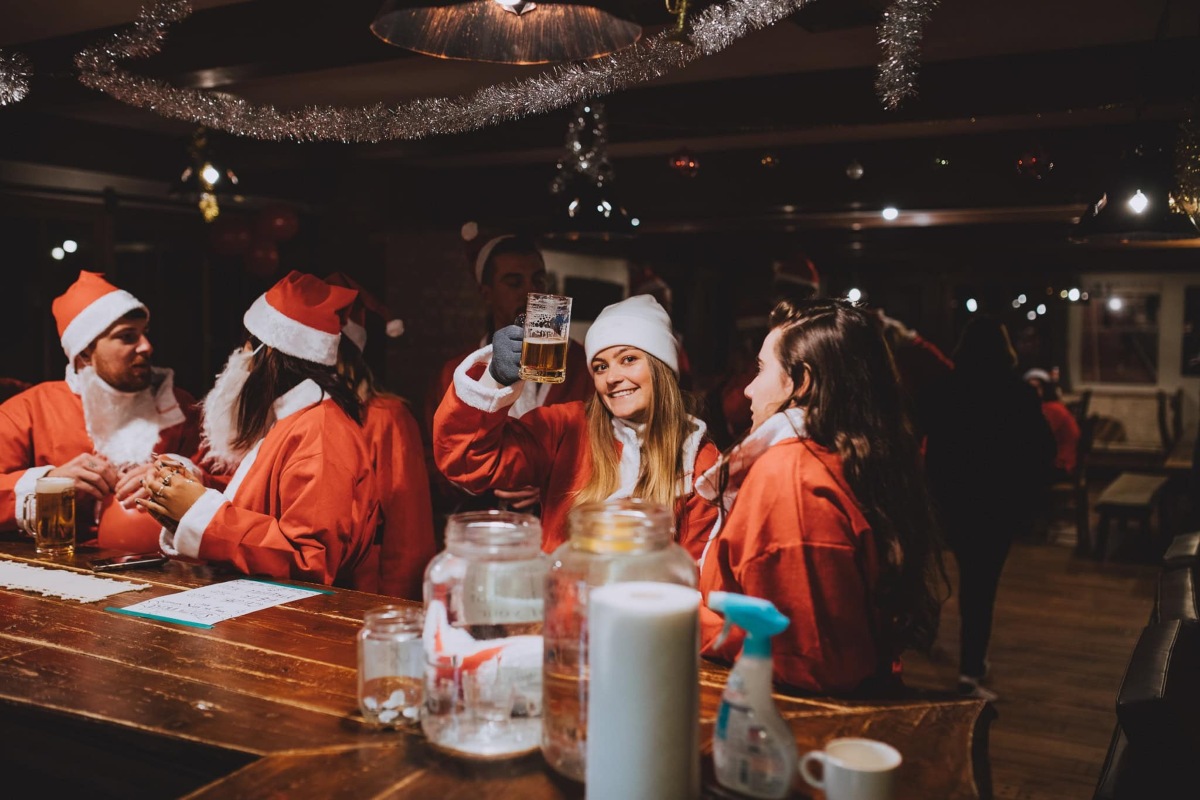
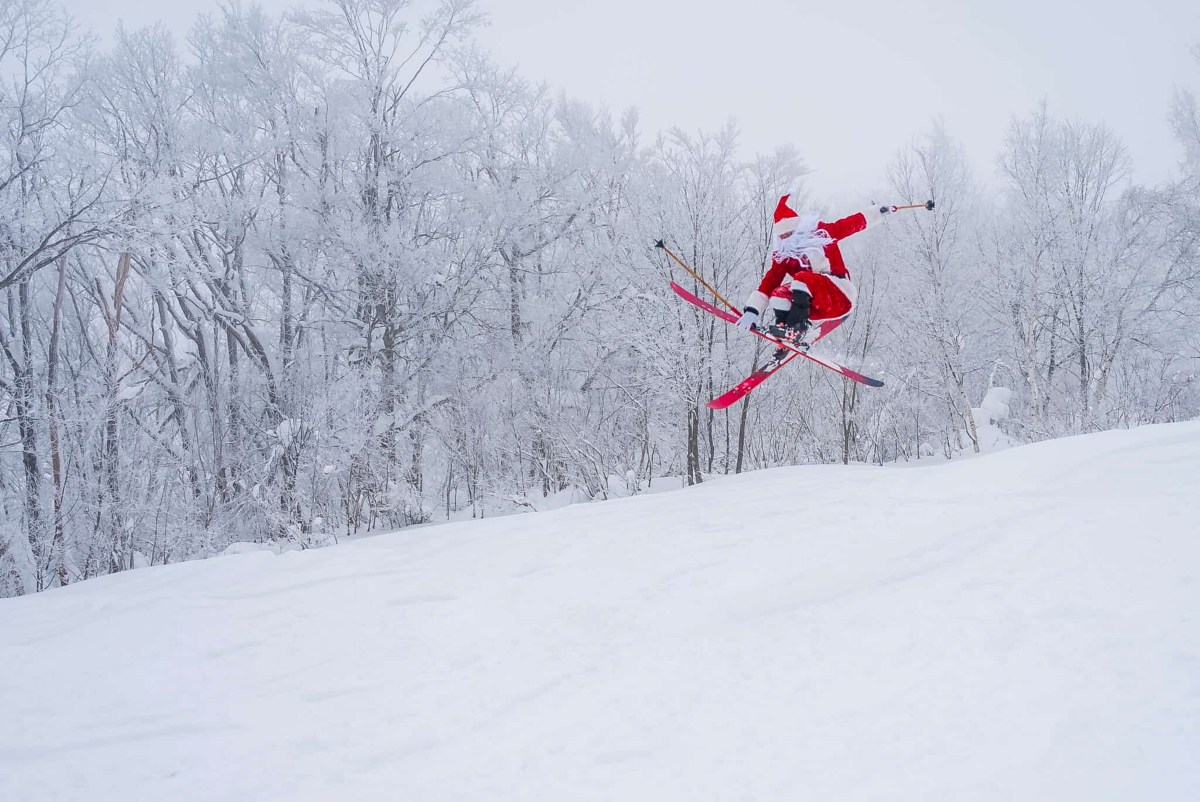
Hakuba runs one of the more distinctive Christmas traditions on the mountain: Santa Ski Day. Guests check in at the Happo Gondola, pick up a Santa costume, and head out for a guided group session, taking in drinks at Oakley Terrace, Hakuba Après and Blizzard along the way, with a photo shoot included. Happo-One also hosts a family Christmas gift-exchange event on the 25th.
New Year’s Eve is where Hakuba comes alive. Happo-One runs its own countdown and fireworks, while Hakuba Goryu extends night skiing to 10:30pm with New Year’s Eve soba and taiko drumming before its own countdown. Hakuba47 runs a “Happy Christmas” event over the 24th and 25th, before shifting into Japanese tradition on New Year’s Day with mochitsuki (rice-cake pounding), free ozoni soup and children’s activities.
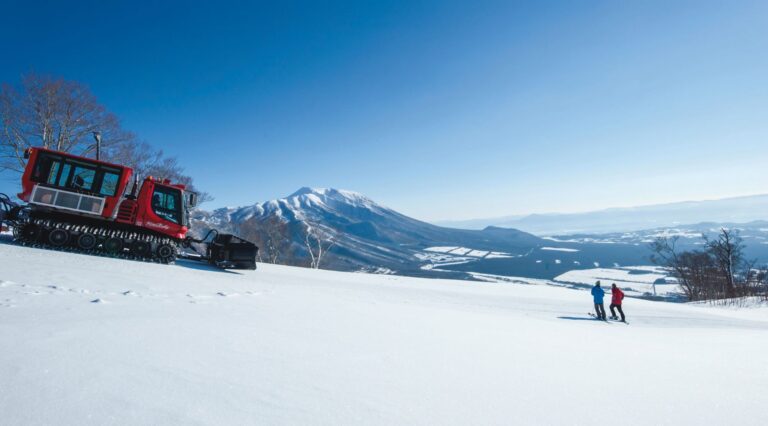
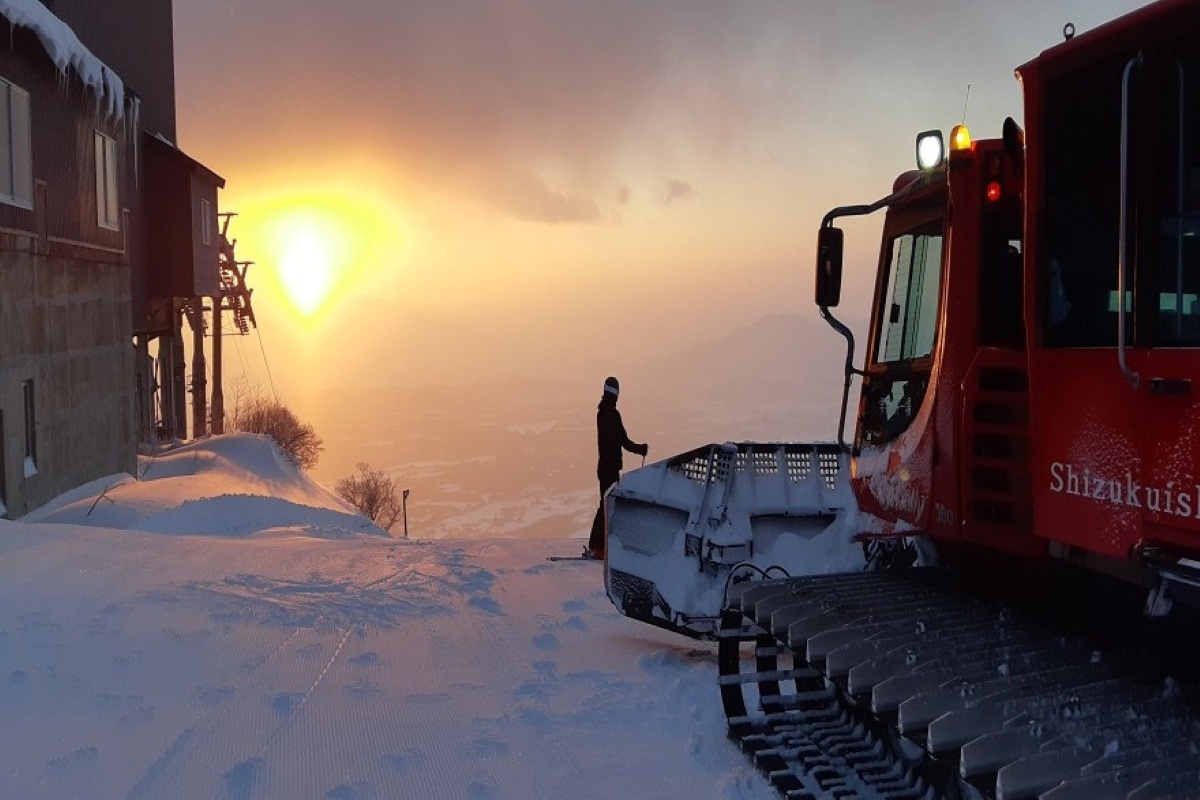
Shizukuishi Prince Hotel, further north in Iwate, runs a proper buffet and course-dinner Christmas on the 24th and 25th, fireworks and a Rock-Paper-Scissors tournament on New Year’s Eve, and a Sunrise CAT Tour with spiced sake on New Year’s Day. This resort suits families who want the cultural side of Japan front and centre, not just as a novelty alongside the skiing.
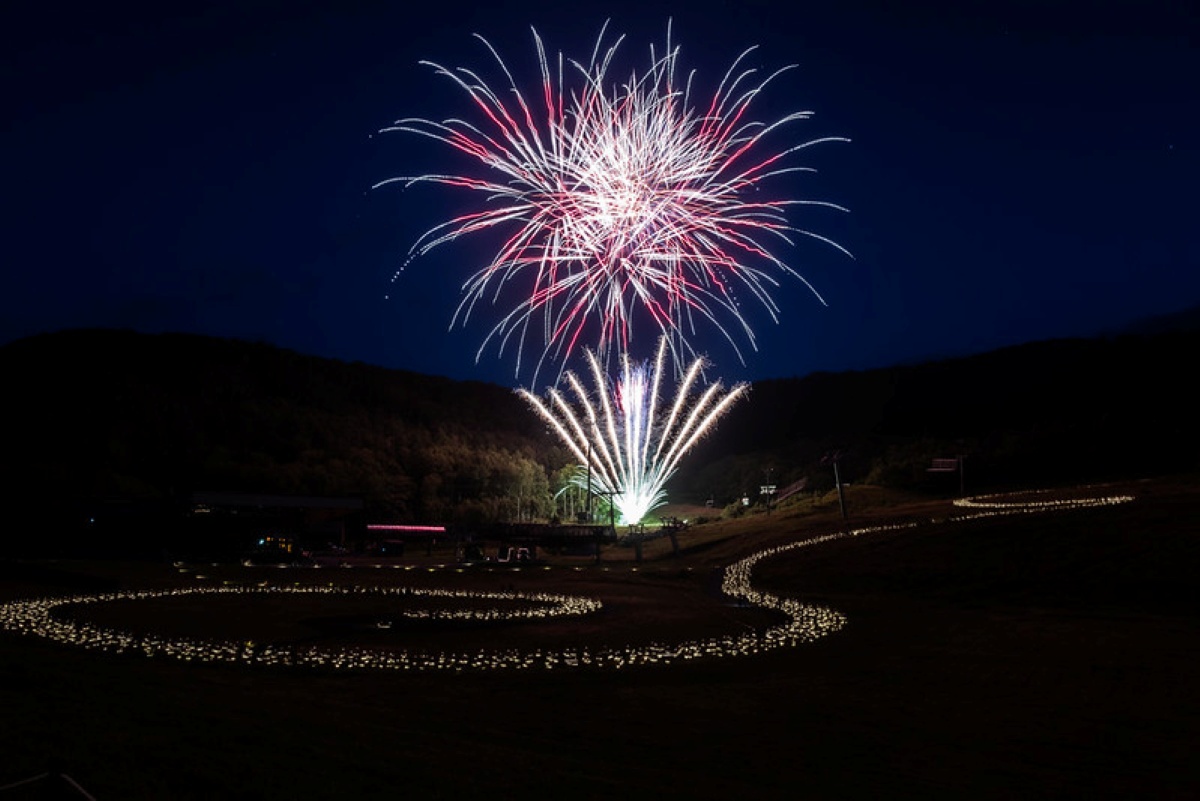
Also in Iwate, Appi Kogen does something playful for Christmas: skiers hunt for “Black Santa”, hidden on the mountain, with a sweet treat for whoever catches him. New Year’s Eve builds from 11pm with a slope illumination parade before the APPI Countdown Fireworks at 11:50pm, and families have the APPI Snow Park for sledding, tubing and beginner play.
Niseko runs a joint Christmas Celebration on the 24th and 25th with a Santa photo opportunity, before synchronised Countdown Fireworks and a torchlit Torchlight Ski on New Year’s Eve. Hanazono adds weekly Fireworks Saturdays, a nightly Gondola Light Up, and Après DJ Sessions through the whole window.
Snow, Ski School and Crowds
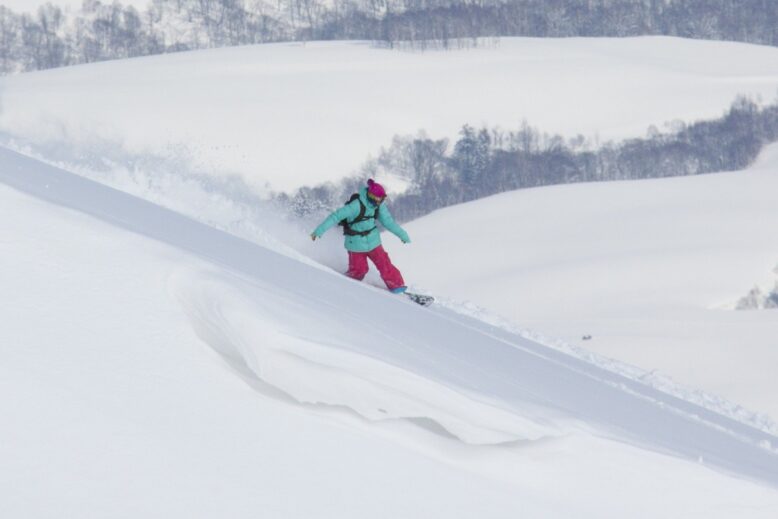
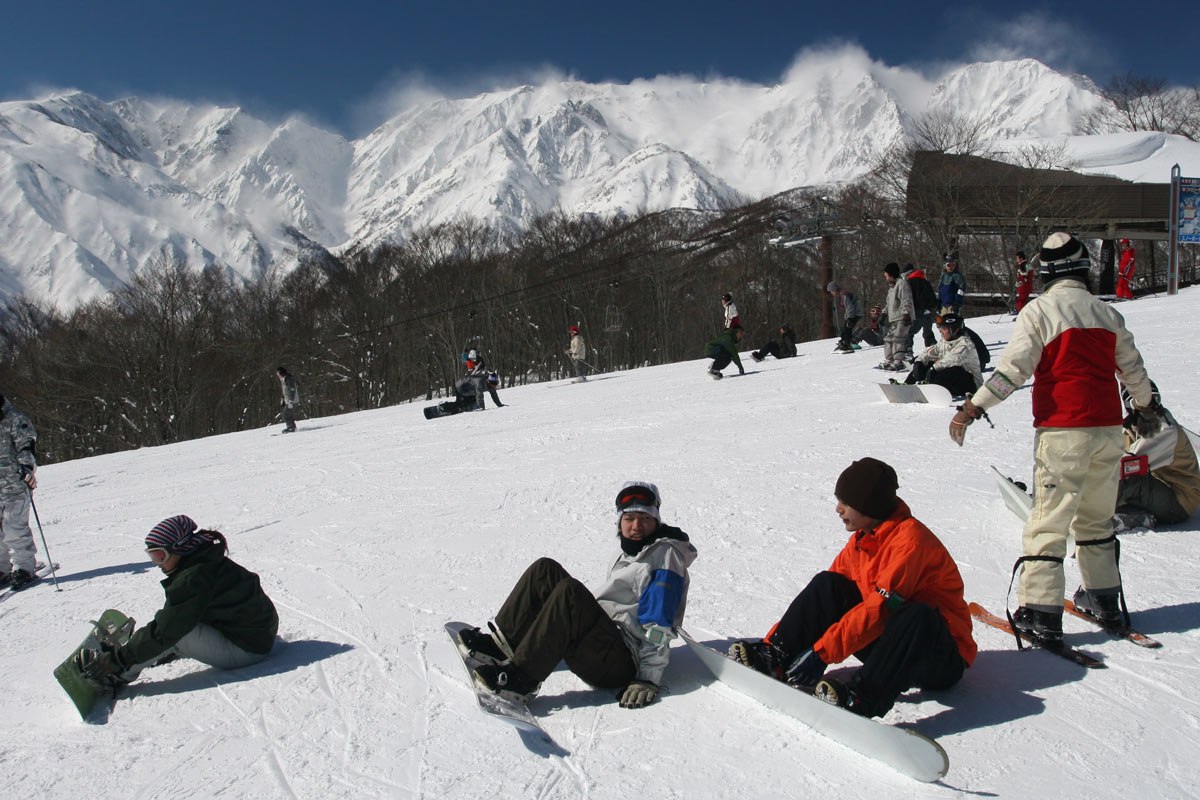
Snow conditions over Christmas genuinely vary more than New Year’s does. In Hakuba, the second half of December is when the snowpack really builds, so Christmas can be excellent in a good year but doesn’t carry the same reliability as January or February. Last season all five valley resorts were open by 19 December, though Hakuba Goryu still had exposed areas a week later. Higher elevation offers the best snow security if travelling specifically over Christmas.
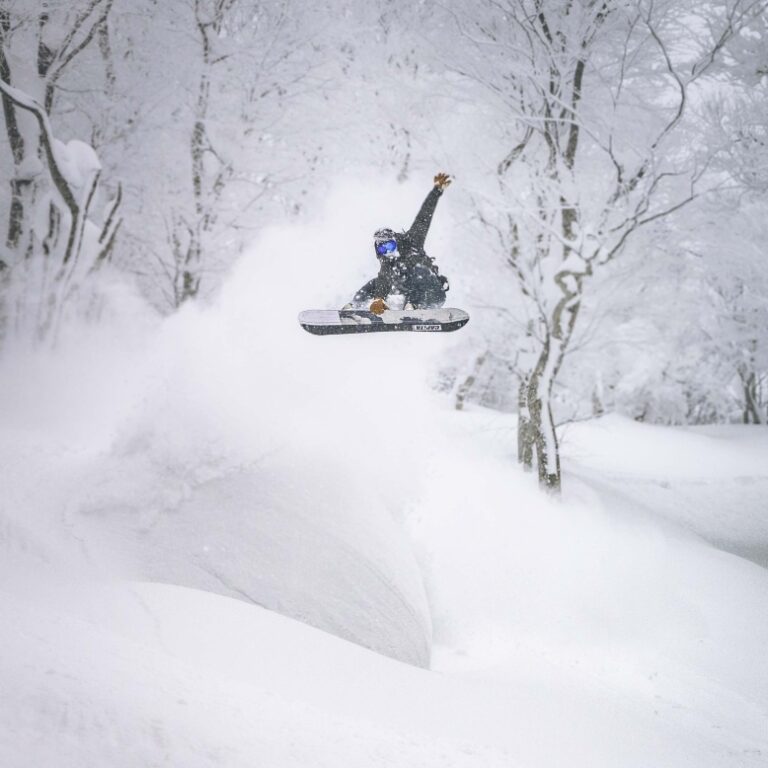
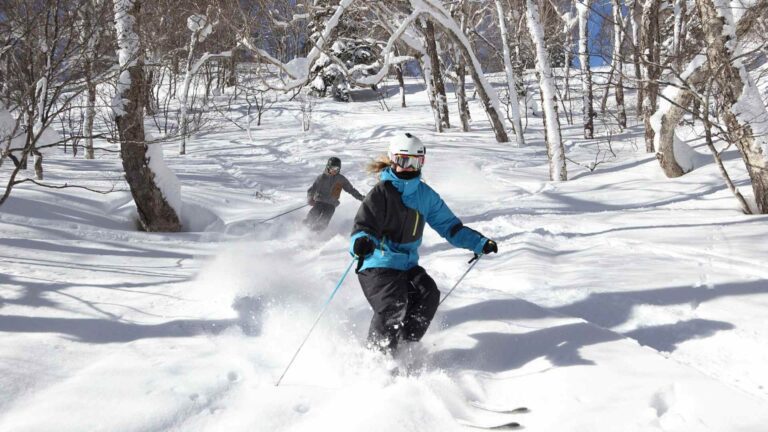
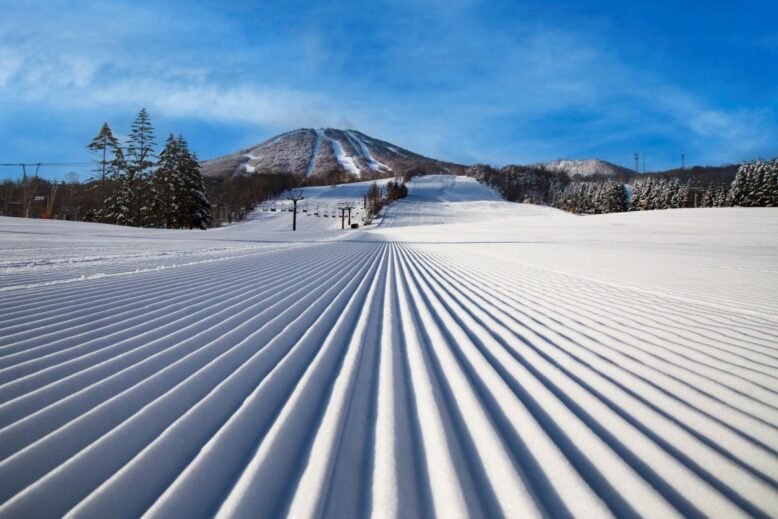
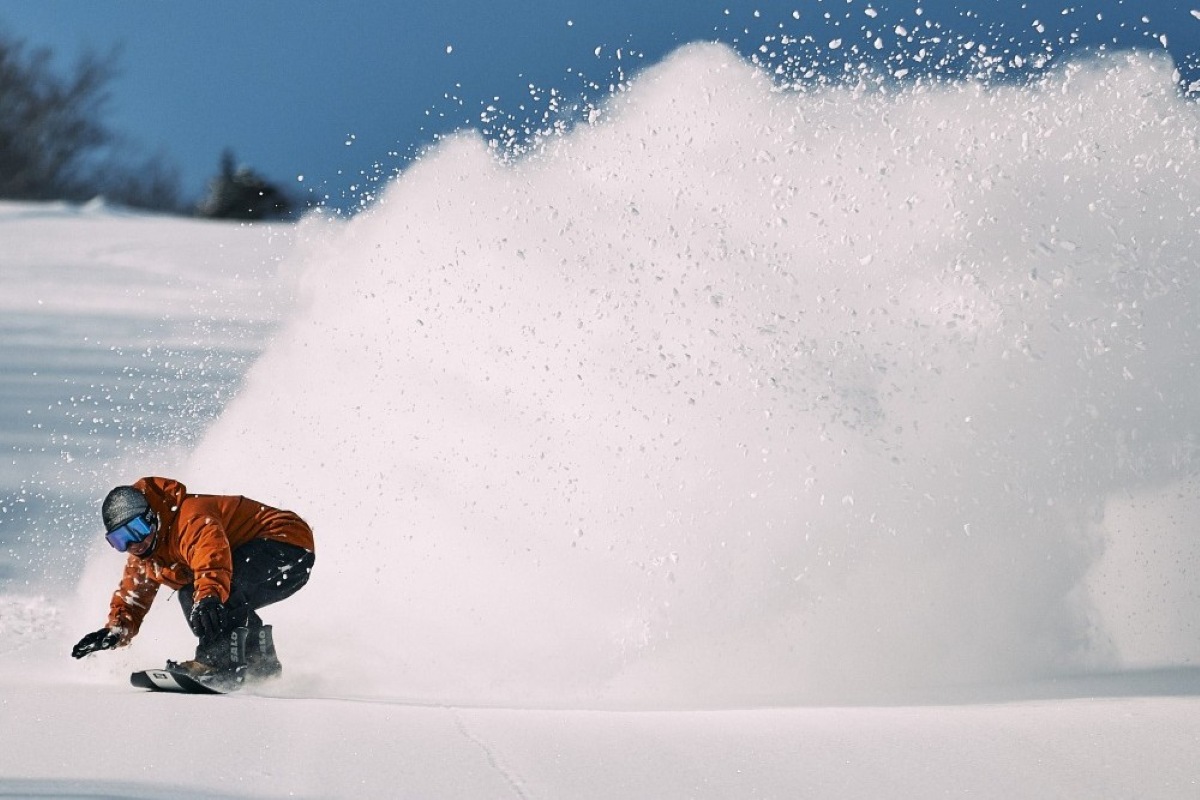
Appi Kogen suits the powder-focused traveller better than anywhere else on this list. At 40 degrees north on north-facing slopes, its exceptionally dry, fine powder has earned the nickname “Aspirin Snow” locally, with depths reportedly reaching five metres by late December. Guided backcountry, cross-country and snowcat tours run through the Nishimori and Sailer tree zones for anyone wanting more than the groomed runs.
Lessons book out fast everywhere. Hakuba’s Evergreen school runs Yeti Club (ages 3 to 6) and Hakuba Heroes (ages 7 to 14) right through the festive period, alongside numerous English-language ski schools, exactly the kind of setup that suits a first-time snow family, though private lessons and kids’ programmes go first.
At Shizukuishi, recent seasons have opened almost every run by the holidays, with Snow CAT Tours running through the period. Occupancy sits at 80 to 90% over Christmas, but New Year’s Eve through New Year’s Day consistently books out completely.
Hakuba’s crowd pattern builds gradually: quiet 20 to 24 December, building fast from the 26th, busiest 28 December to 3 January, easing from the 4th and noticeably relaxed by the 5th to 10th. Appi Kogen runs differently again, domestic visitors peak 29 December to 3 January, while international arrivals tend to peak earlier around Christmas itself, so the two busiest weeks don’t fully overlap
Dining and Après-Ski
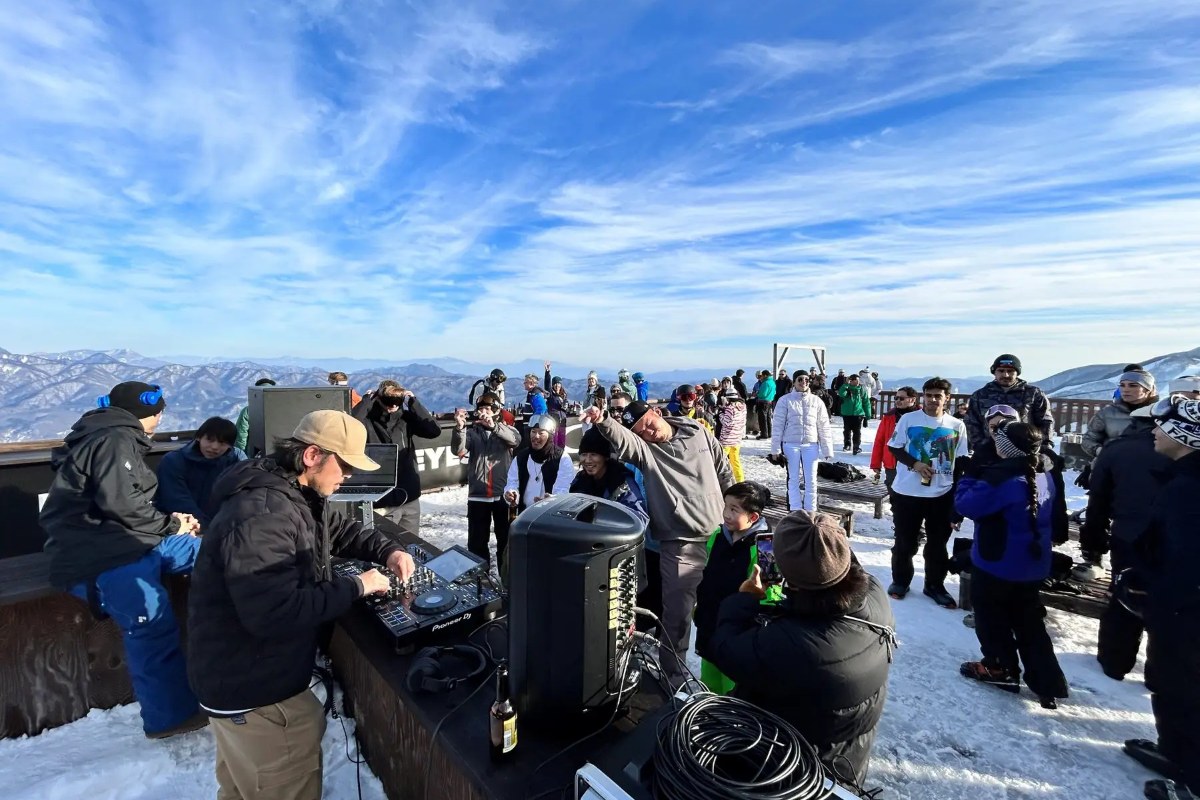
In Hakuba, festive dining runs through La Neige, Marillen Hotel, Mimi’s and VIVE Hakuba, each with dedicated Christmas Eve, Christmas Day and New Year’s Eve menus, VIVE even has a children’s Christmas menu. Après carries the same energy around Happo, Wadano and Echoland, Hakuba Après runs daily live music, Oakley Terrace turns into a DJ-and-mountain-views scene, and Blizzard hosts a New Year’s Eve White Party from 10pm to 2am. This is exactly why Hakuba suits mixed groups so well, some want serious skiing, others want nightlife, and both are properly catered for.
At Shizukuishi, the hotel’s own restaurants take over for Christmas and New Year’s dining, alongside its own evening entertainment programme, Snova.
Appi Kogen leans into fine dining, and it suits a family or couple wanting a more polished evening. Crowne Plaza runs festive buffets, while the ski-in/ski-out ANA InterContinental serves exclusive Christmas dinners and a multi-course New Year menu built around Iwate Wagyu and Tohoku dishes, with live carols across its restaurants and bars. APPI Onsen Shirakaba-no-Yu, one of northern Tohoku’s largest outdoor hot spring complexes, gets festive decorations for the season.
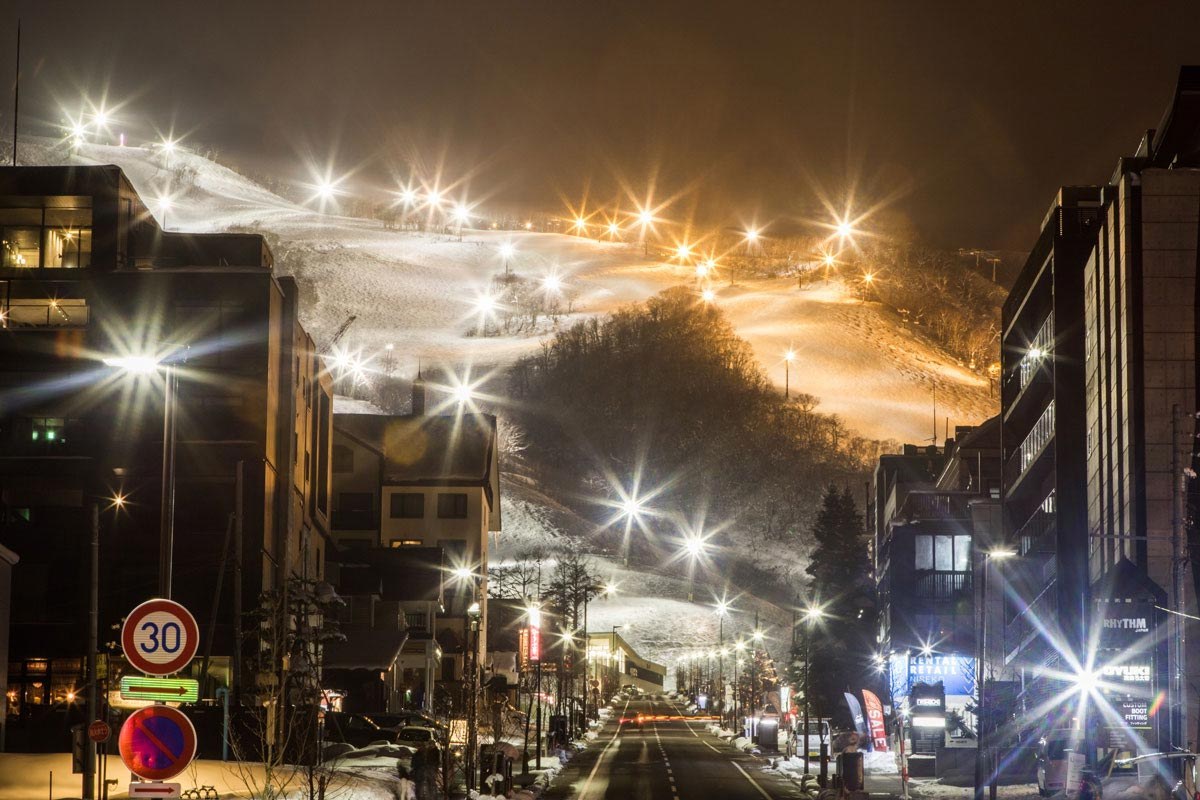
At Niseko, the Takibi Terrace at Grand Hirafu’s Alpen Node gives the same après moment a fire-pit feel, running from late December through mid-January, while Hanazono Edge’s DJ sessions pair with a curated champagne service.
What Makes Christmas and New Year in Japan Different
This is where Japan’s split personality over the holidays really shows, on display across every resort here, just in different proportions.
Across most of the country, Christmas is a normal working day, not a public holiday, and existing traditions lean quirky rather than family-oriented: chicken and Christmas cake, a couples’ dinner date rather than a family gathering. The real cultural weight sits on New Year instead, known as Shōgatsu. Every supplier we spoke to for this piece pointed to the same handful of traditions: toshikoshi soba (buckwheat noodles eaten on New Year’s Eve, for long life and cutting off the past year’s bad luck), hatsumode (the first shrine visit), a shared sake toast, joya no kane (temple bells rung 108 times), and traditional food like osechi ryori and ozoni soup. At Shizukuishi, toshikoshi soba isn’t just a nod, the hotel opens a restaurant specifically to serve it after hours on the Eve, which is exactly why this resort suits a family wanting the real thing rather than a Western celebration with Japanese decoration.
Hakuba proves you don’t have to pick a side, its Western-style Christmas events sit alongside a genuinely traditional New Year’s Day at Hakuba47, mochitsuki and ozoni rather than another countdown party. Appi Kogen sits closer to the traditional end, blending long, genuinely excellent terrain with hospitality that treats toshikoshi soba and hatsumode as part of the stay rather than an afterthought.
Planning Your Festive Trip
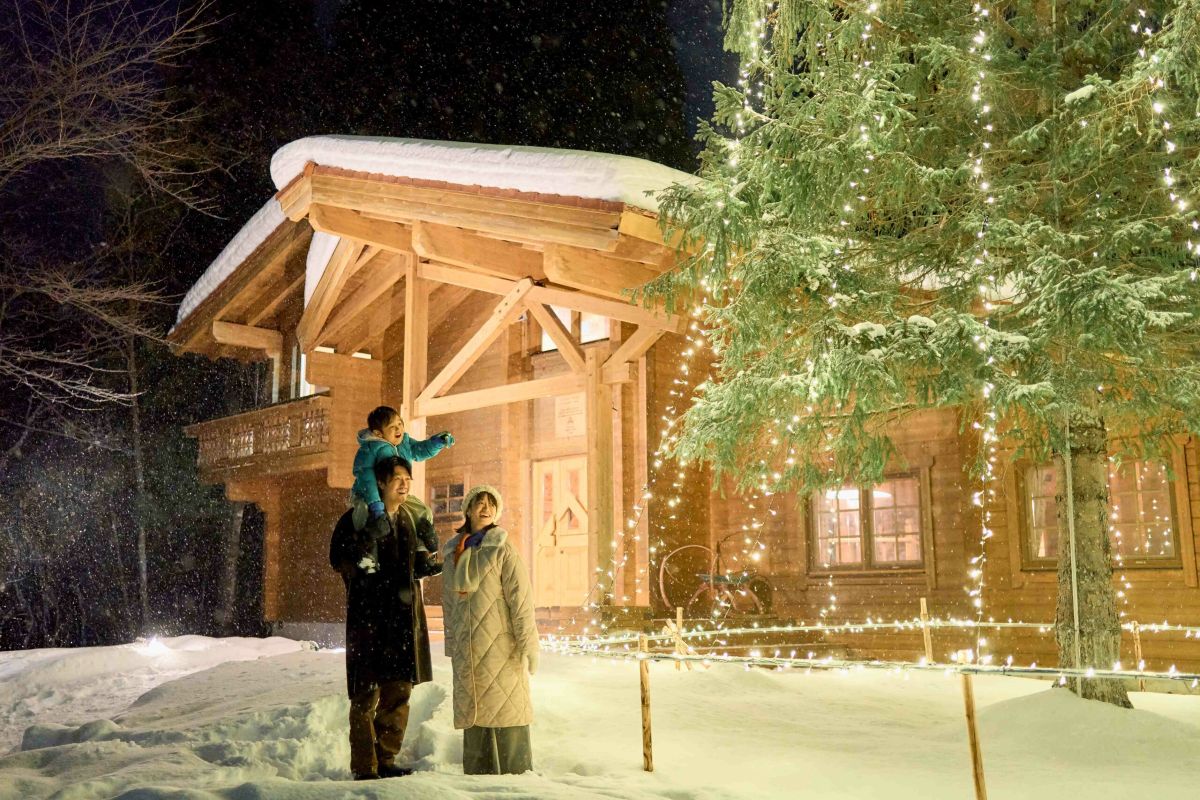
Timing depends on the resort. At Shizukuishi, Christmas and New Year are the crunch points, easing off from January through March once the crowd clears. At Hakuba, the pattern builds gradually through late December, peaks 28 December to 3 January, and eases by the 5th to 10th. At Appi Kogen, international visitors peak around Christmas itself, a week or so before the domestic New Year rush, so an early Christmas booking can land a quieter local crowd even in a busy week.
Worth knowing wherever you go: 1 January isn’t just another day in Japan. Many restaurants and businesses close, sometimes for several days, catching first-timers out, self-catering guests should buy groceries before the 31st. Shrines get packed 1st to 3rd January too, visiting slightly later avoids the crush.
This is genuinely one of Japan’s most in-demand windows. Ask us, we know exactly which resort and which dates work for your family, accommodation, transfers, lessons and restaurant reservations all book out well ahead, some accommodation up to 12 months out

Quick Questions Answered
Q: Is Christmas Day a public holiday in Japan? A: No. Most businesses operate normally, and where Christmas is celebrated, it’s more a couples’ dinner date than a family gathering. Resort events like Hakuba’s Santa Ski Day are built for visitors, not a national tradition.
Q: What age can kids start ski lessons over the Hakuba holidays? A: Evergreen’s Yeti Club takes children from age 3, running mid-December through mid-March, with Hakuba Heroes picking up from age 7.
Q: Why do businesses close in Japan on New Year’s Day? A: 1 January is Japan’s one official New Year holiday, and a genuine family one, many people travel home for it. Restaurants and shops often close, sometimes for several days, catching first-time visitors out.
Q: Does Niseko celebrate Christmas? A: Yes, a joint Christmas Celebration on the 24th and 25th with a Santa photo opportunity, plus synchronised fireworks and a torchlit ski parade on New Year’s Eve.
Let AMPED Sort Your Festive Snow Holiday
We’ve skied all four of these resorts ourselves, and honestly, Hakuba’s the one we’d point most first-time snow families toward for this specific window. But the right pick really does depend on your family, whether that’s Shizukuishi’s authenticity, Appi Kogen’s powder, or Niseko’s scale.
We’ll take care of everything, from working out which resort actually suits you to booking the whole trip as one, so you’re not left piecing together flights, accommodation and restaurant reservations yourself over Japan’s busiest, most in-demand week.
Get in touch with the AMPED team, and we’ll build your Japan snow holiday around the season you actually want.