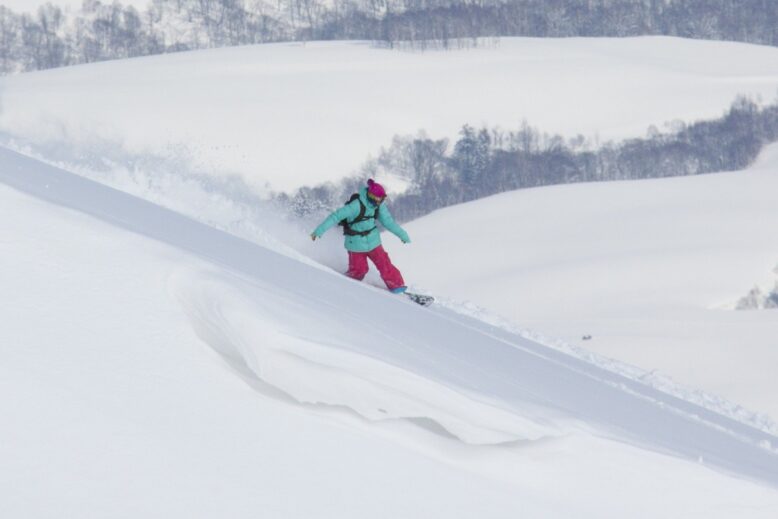

Japan vs Canada for a Family Ski Holiday
Which One Is Actually Worth Your Money?
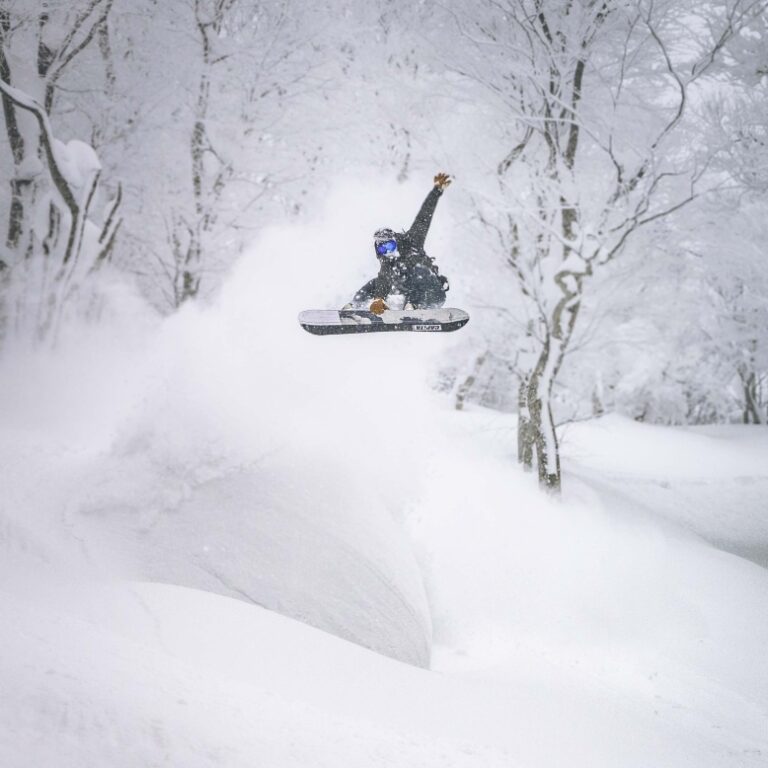
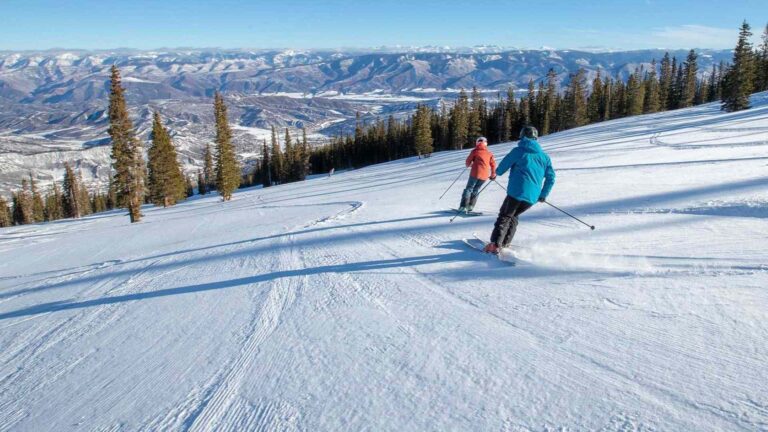
You’ve been dreaming about a ski holiday with the kids. A proper one, with real mountains, deep powder, memories that stick. The question is: do you go to Japan, where the snow is legendary and the culture is unlike anything else on earth? Or do you head to Canada, where the terrain is vast, the resorts are world-class, and everything just works?
For New Zealand families, both destinations are genuinely brilliant. But they are not the same. Here is how they stack up across the things that matter most to you.
Getting There
From New Zealand, Japan has a slight edge on travel time. Tokyo is roughly 11 hours from Auckland, compared to around 13 hours to Vancouver. Both Air New Zealand and other carriers offer connections through Asia and Australia to Japan, with those indirect routes often coming in cheaper than the direct Air New Zealand service.
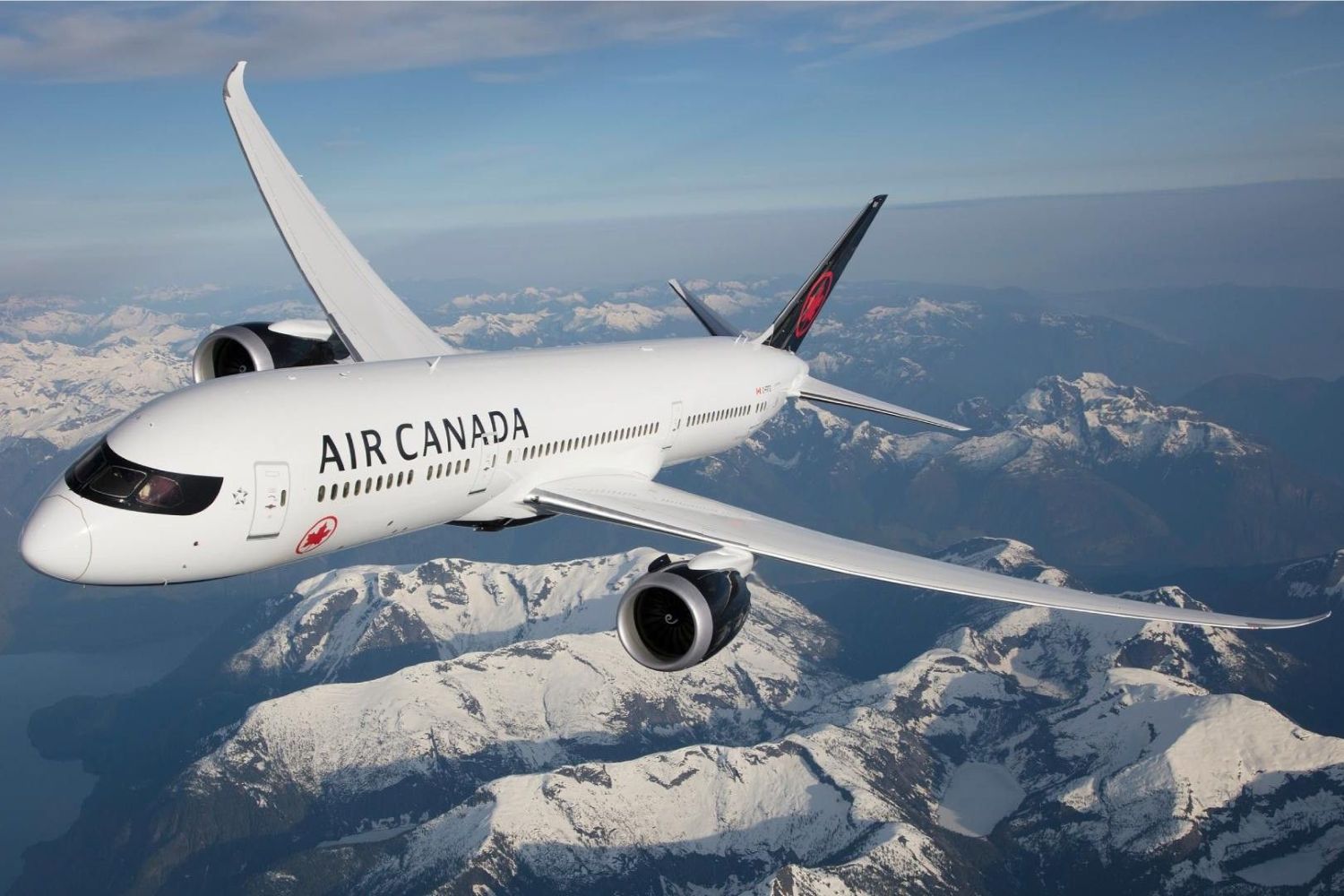
For Canada, Air New Zealand flies direct daily. Air Canada also operates a seasonal service four times a week, and if you move quickly, there is a genuine opportunity here.
Once you land, the two countries diverge sharply. Canada wins on transfers. You step off the plane, get on a coach, and you are delivered directly to your resort door at Whistler, Big White, Sun Peaks, or wherever you are headed. Simple, stress-free, done.
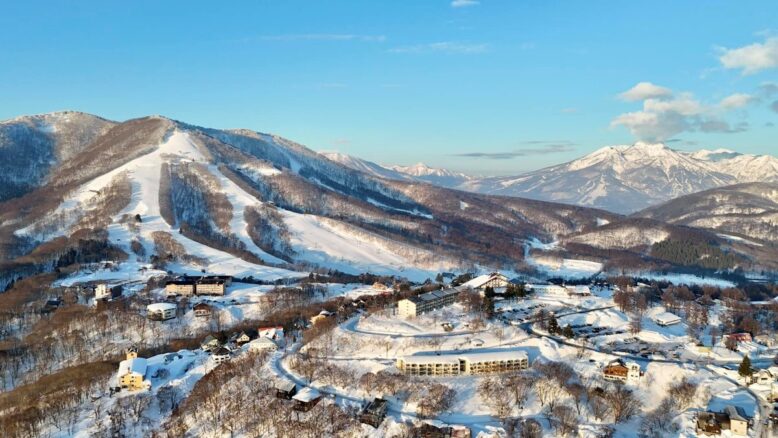
Japan is a different story. The country’s rail network is extraordinary, but it was not designed with ski bags in mind. Hauling gear through busy stations like Shinjuku, navigating stairs with bulky boot bags and ski bags, and then connecting to mountain-bound services is genuinely hard work, especially with kids in tow. Many families travelling to Niseko, Hakuba, Furano, or Kiroro find it far easier to hire ski gear at the resort and travel light. It is worth factoring the cost of rental into your Japan budget from the start.

Lift Passes and Lessons
Canada’s lift passes can be expensive, especially at major resorts like Whistler, where multi-day family passes and ski school can quickly push the budget up. Resorts such as Revelstoke, Kicking Horse, and Fernie can also be costly, particularly during peak travel periods.
That said, Canada can still offer good value if you plan early. Many resorts release early bird lift pass deals, discounted multi-day passes, and occasional kids’ ski free promotions when booked well in advance. The key is to lock in lift passes and lessons early, as prices usually rise closer to the season and again once resorts open.
Japan is generally more affordable for both lift passes and lessons. Resorts like Nozawa Onsen, Madarao, Shiga Kogen, Naeba, and Appi Kogen offer excellent value by international standards, especially for families with children still needing ski school.
The main exception is Niseko, which has become one of Asia’s more expensive ski resorts. If budget is a priority, look at Furano, Kiroro, or Lotte Arai instead, where prices are often lower and the snow is still fantastic.
Accommodation and Self-Catering
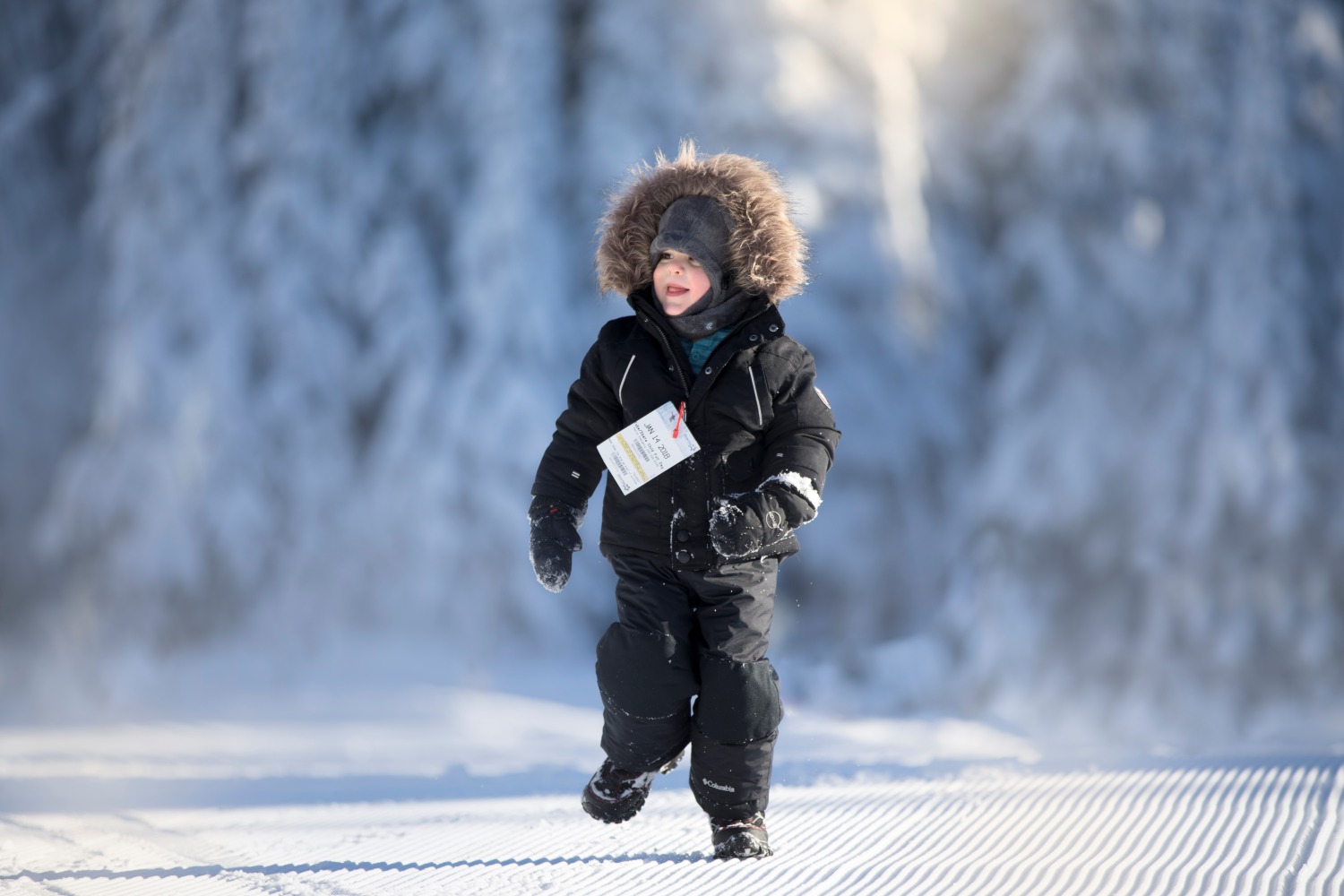
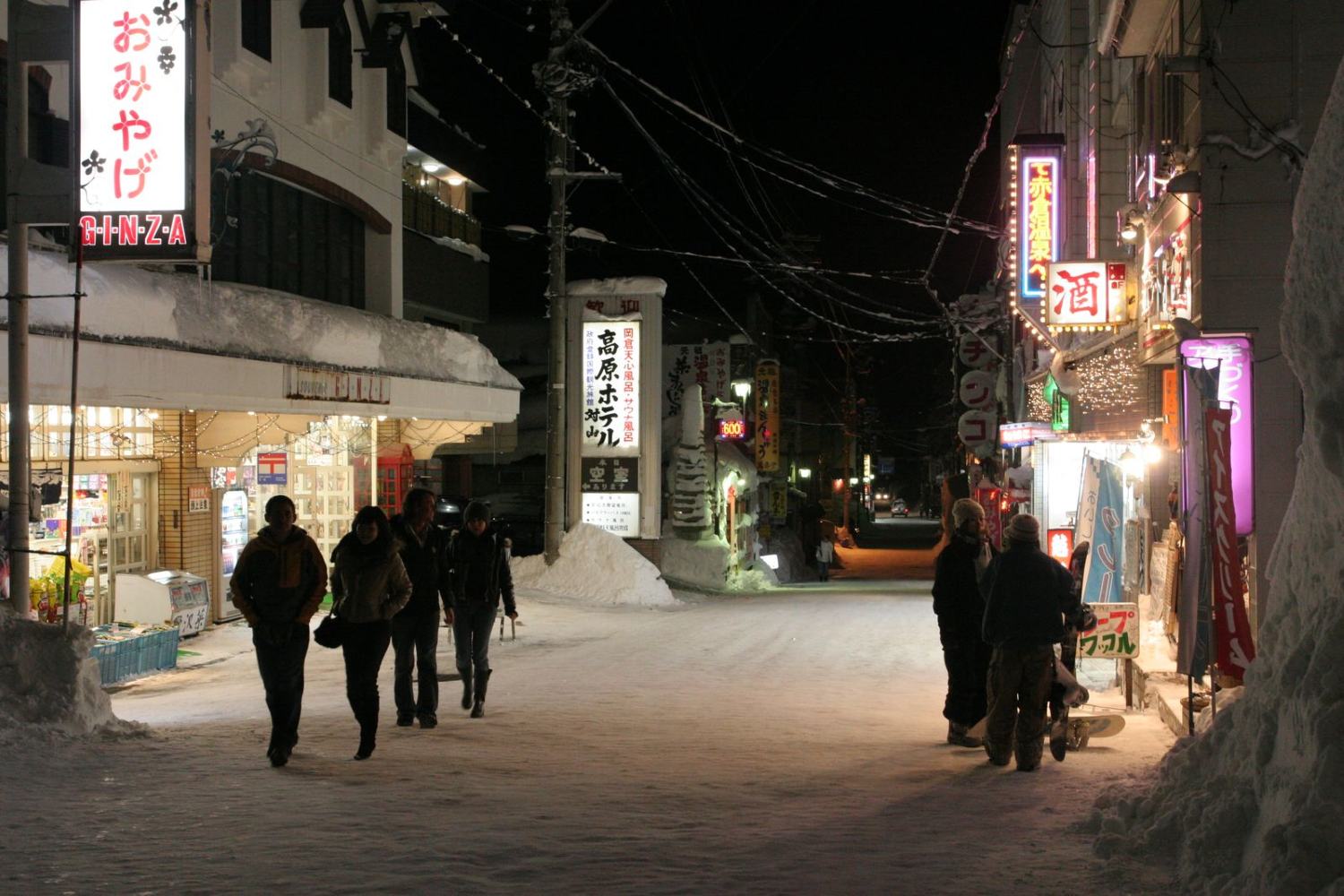
Japan offers more flexibility than many families expect. Resorts such as Hakuba, Niseko and Furano have a strong range of apartments, chalets and family-style stays with self-catering facilities, giving families space to cook a few meals when it suits. Many ski towns also have excellent restaurants, from casual ramen spots and izakayas to family-friendly dining, along with convenience stores that are perfect for easy breakfasts, snacks, lunches and simple dinners after a big day on the mountain.
That said, Japan is not always about self-catering. Some resorts are more self-contained, with accommodation, dining and onsen facilities all built into the stay. Bandai Onsen is a great example, offering a pure ski-in ski-out experience where meals, hot springs and slope access are all part of the rhythm of the holiday.
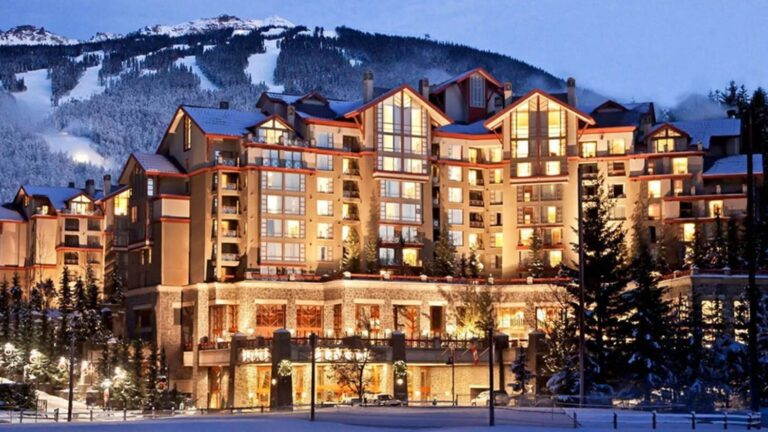
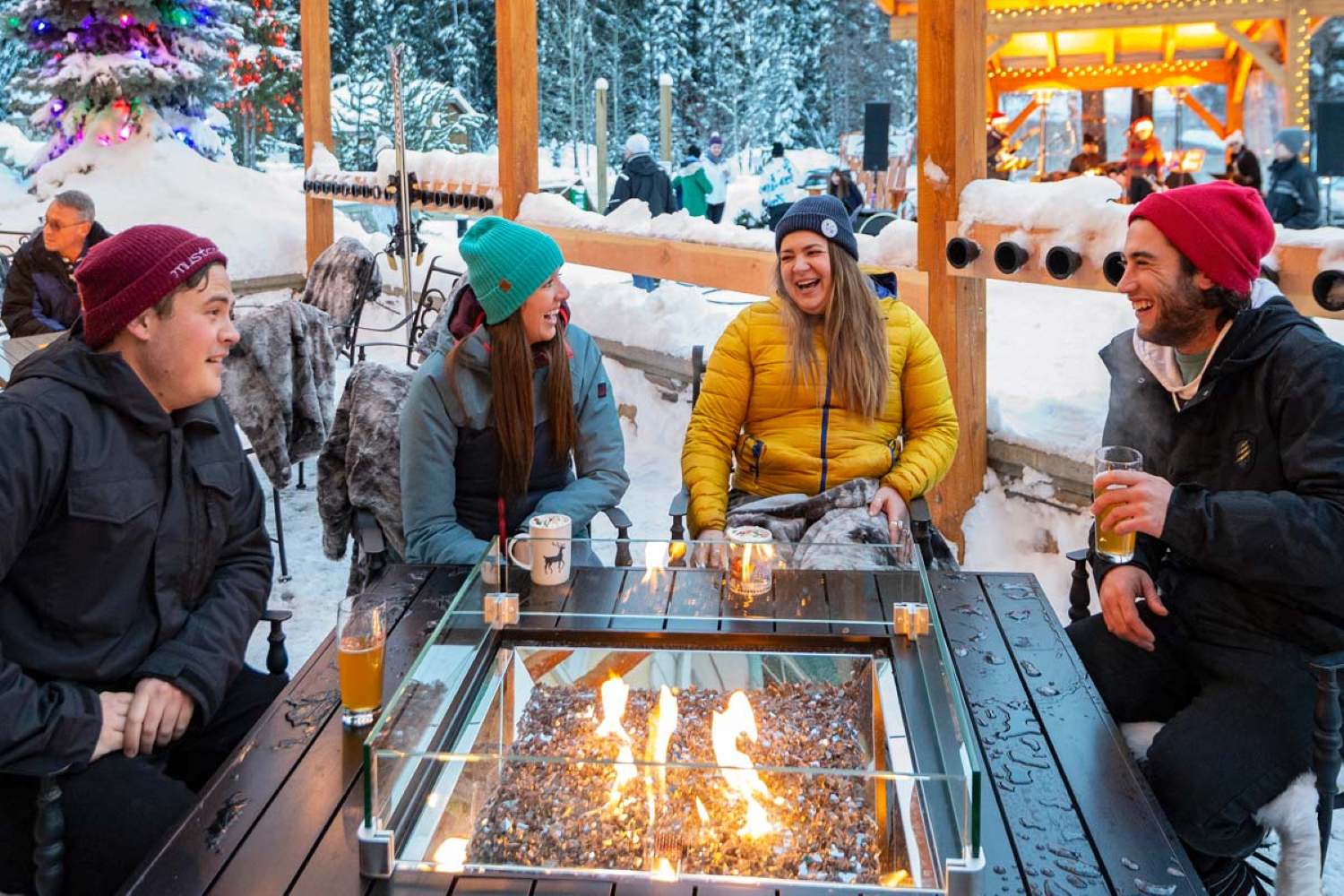
Canada is equally strong for families, but with a more purpose-built resort feel. Whistler, Big White, SilverStar, Panorama and Sun Peaks all have village-style layouts with easy access to restaurants, cafés, après spots and family-friendly dining. They also offer excellent self-catering accommodation, so families can easily mix relaxed nights in with easy meals out across the week.
Best Time to Go
Timing matters, and it matters a lot for cost and conditions. Here is the full picture across the season, including why spring deserves serious consideration for New Zealand families.
| Japan | Canada |
| Peak snow: January to February | Peak snow: January to February |
| Best value: Early to mid-December, March | Best value: Early to mid-December, March |
| Spring skiing: March to early April | Spring skiing: March to late April |
| Season closes: Late April to early May at selected resorts | Season closes: Late April at many resorts, with Whistler going into May |
| Avoid for Pricing: Christmas/New Year, Lunar New Year and public holidays | Avoid for pricing: Christmas/New Year, public holidays and school holiday periods |
Important on timing: Peak powder is usually January and February in both Japan and Canada, but those months also bring higher demand. For better value, look at early to mid-December or March, when pricing can be softer and availability is often stronger. Spring skiing is also worth considering, especially for New Zealand families travelling around Easter. Japan is generally best for spring skiing from March to early April, while Canada can stretch into late April, with select resorts like Whistler often operating into May. For the best value, try to avoid Christmas/New Year, Lunar New Year in Japan, and major public or school holiday periods.
The Family Experience On and Off the Snow
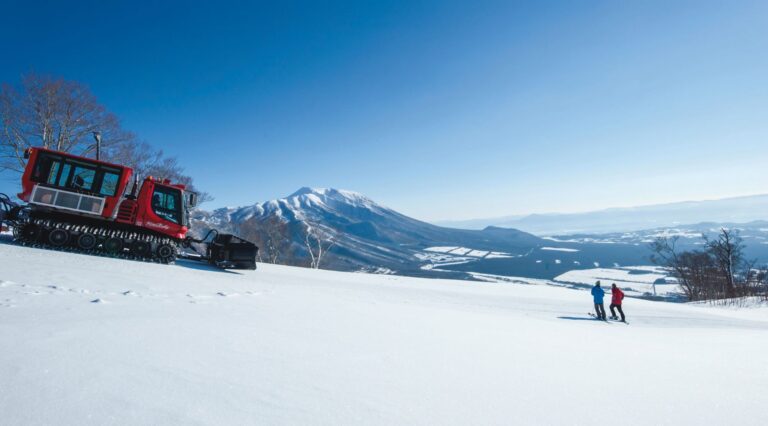
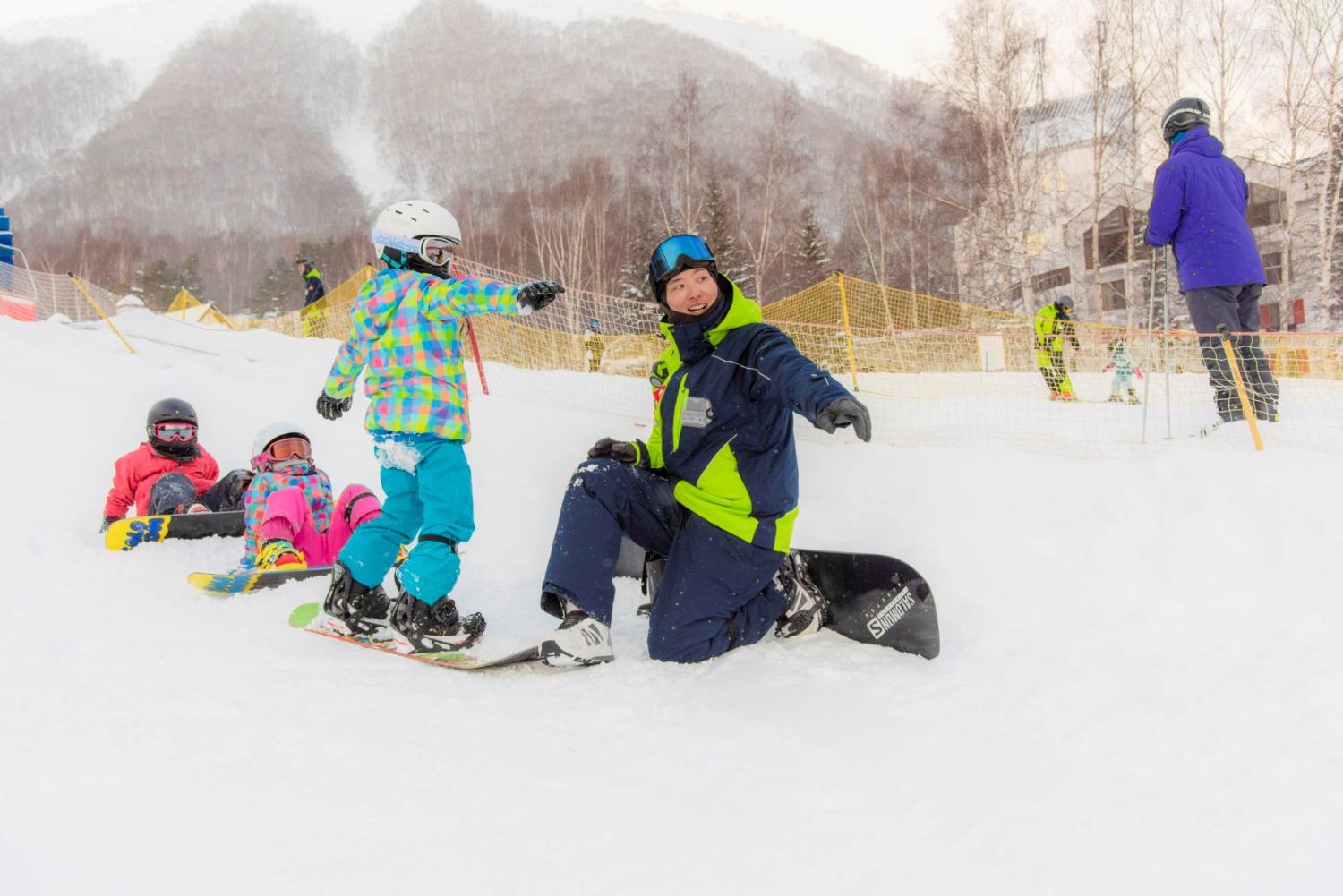
Japan feels exciting for kids because it is so different. Larger resorts like Hakuba, Niseko, Nozawa Onsen and Shiga Kogen offer ski schools, beginner zones, snow parks, tubing, sledding and magic carpets, while off the snow there is just as much to remember. Think ramen after skiing, convenience store treats, onsens, snow monkeys, and the novelty of being in a completely different culture.
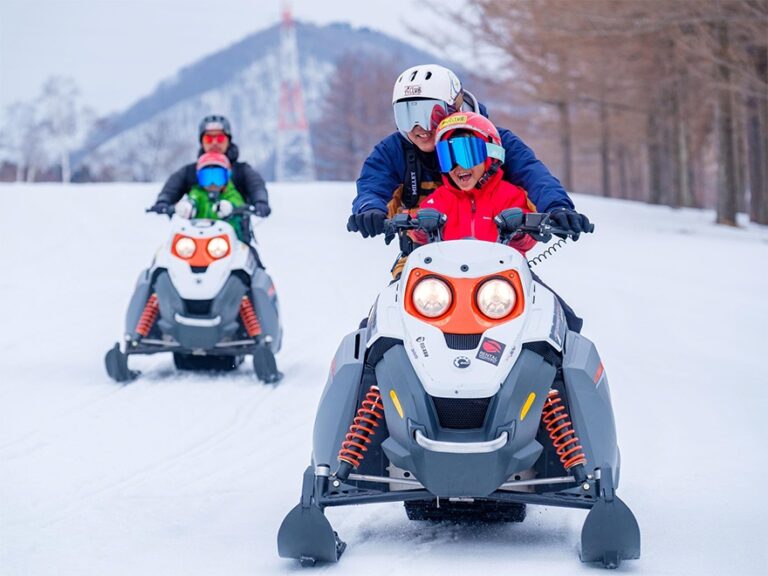
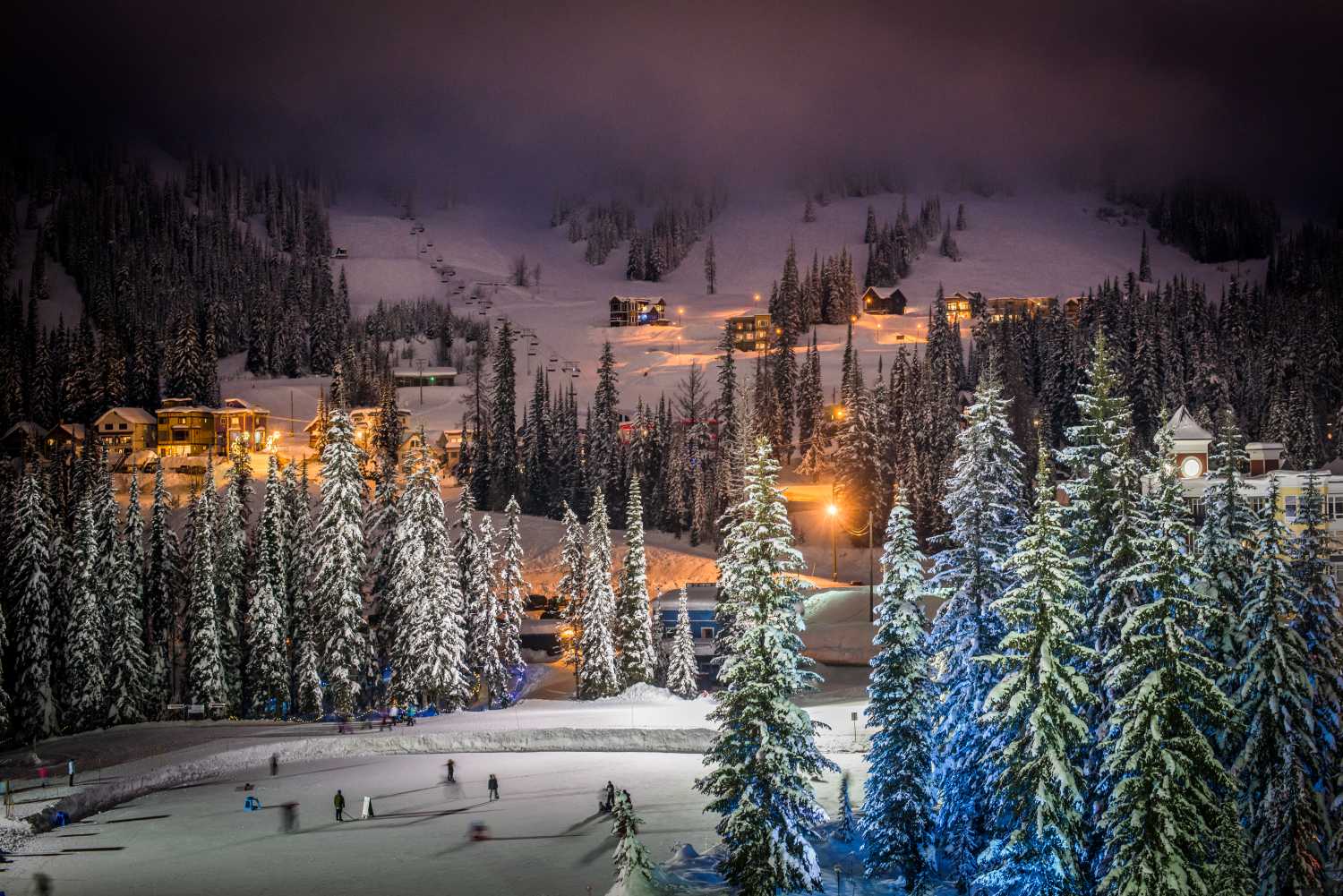
Canada is more polished and purpose-built for family ski holidays. Resorts like Whistler, Big White, Sun Peaks and Panorama make the day easy, with ski school, tubing, ice skating, cafés, restaurants and village activities all close together. The skiing is excellent, the villages are simple to navigate, and the whole experience feels familiar, smooth and well set up.
For families, the choice comes down to what kind of holiday you want. Japan feels more adventurous and culturally unique, while Canada is easier, more familiar and built around the classic resort experience. Both are brilliant for kids, but they create very different memories.
Christmas and New Year on the Snow: Two Very Different Experiences
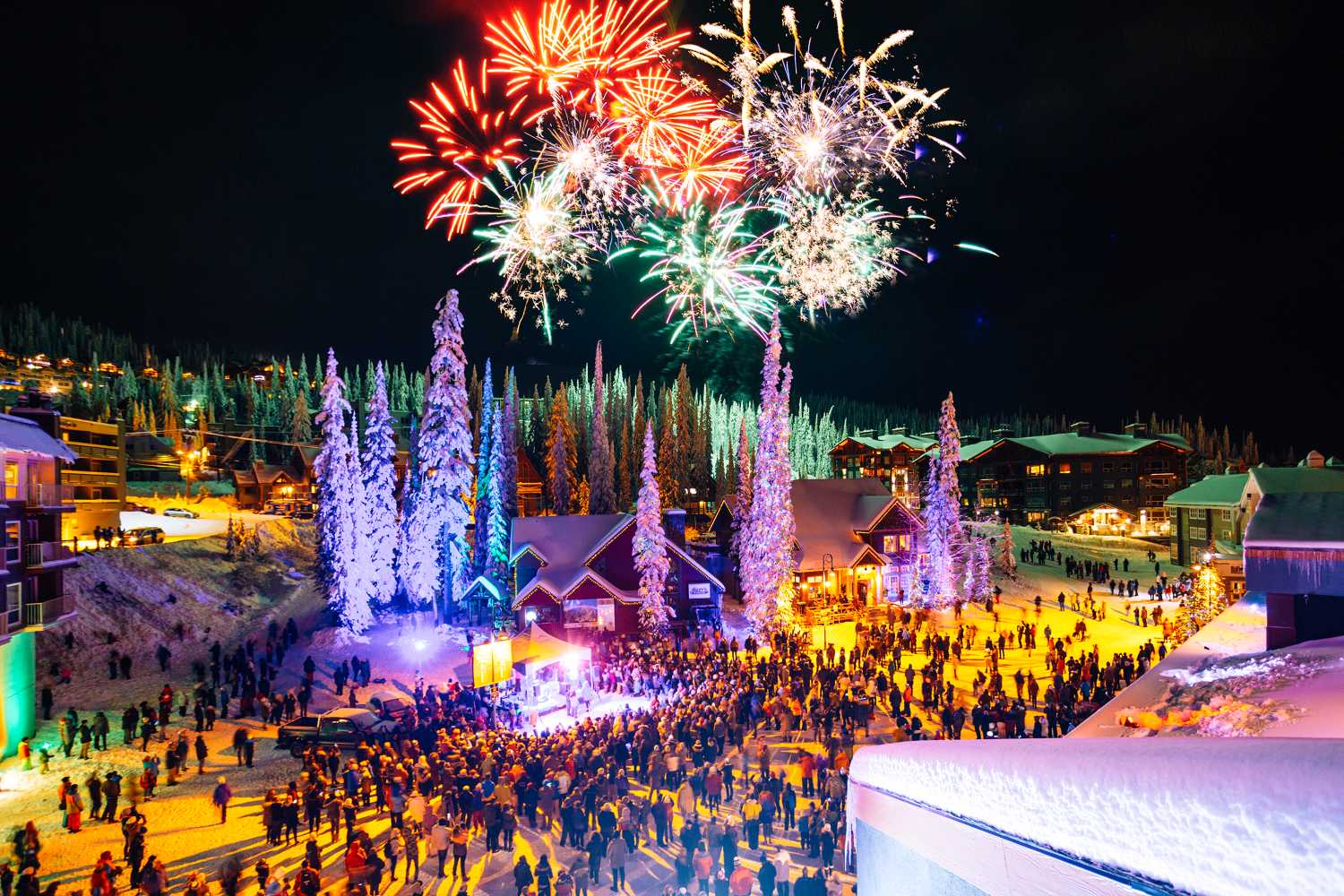
Canada is the clear winner for families chasing a classic white Christmas. Resorts like Whistler, Big White and Sun Peaks lean into the festive season with snowy villages, lights, Santa visits, family events, Christmas dining and a cosy winter atmosphere. It is one of the closest things to the Christmas-card version of a snow holiday, with kids waking up to fresh snow, village lights glowing in the evening, and plenty happening off the slopes after the lifts close. It does come at peak-season pricing though, so accommodation, flights and restaurants need to be locked in early. If a white Christmas is the dream, Canada delivers it beautifully.
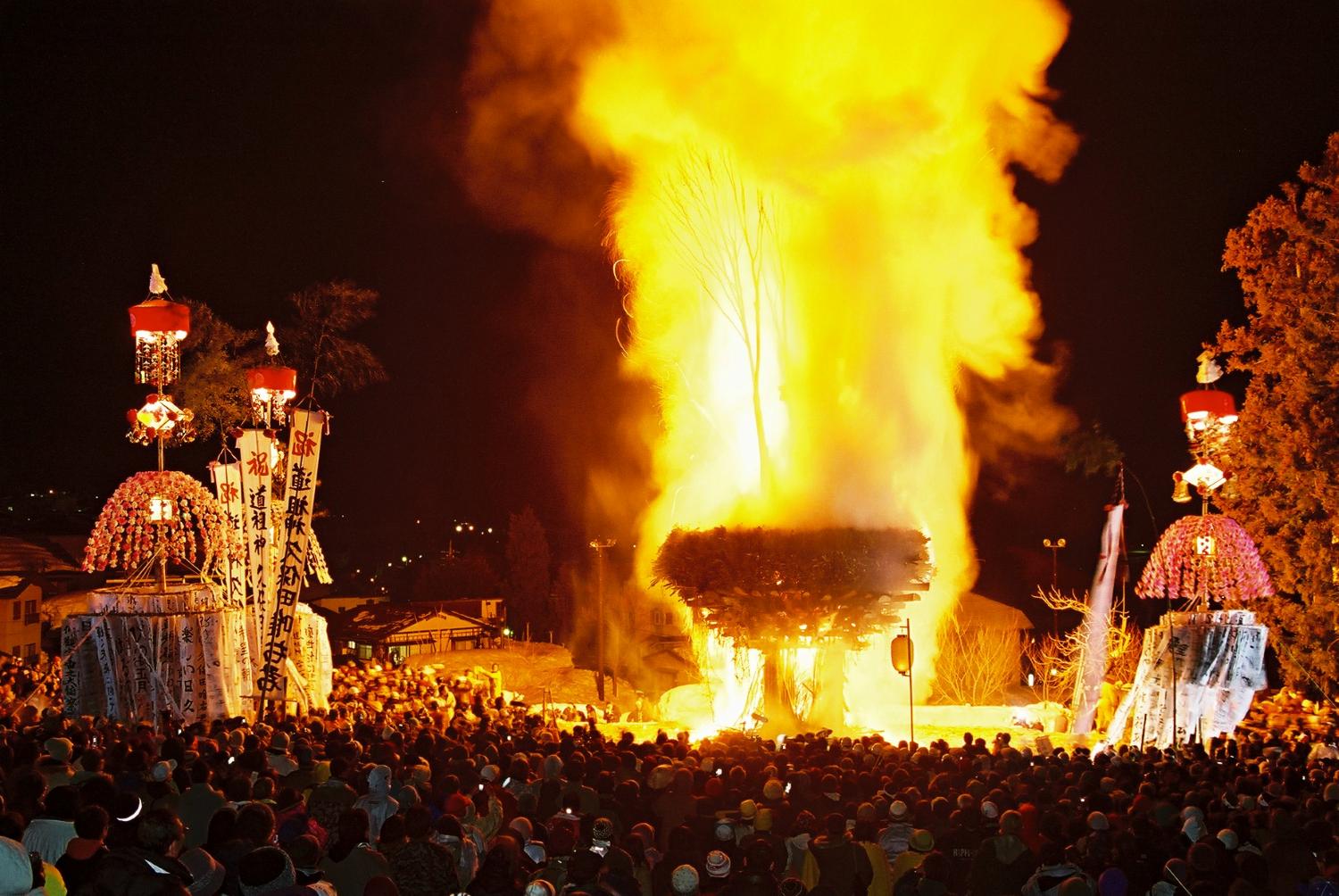
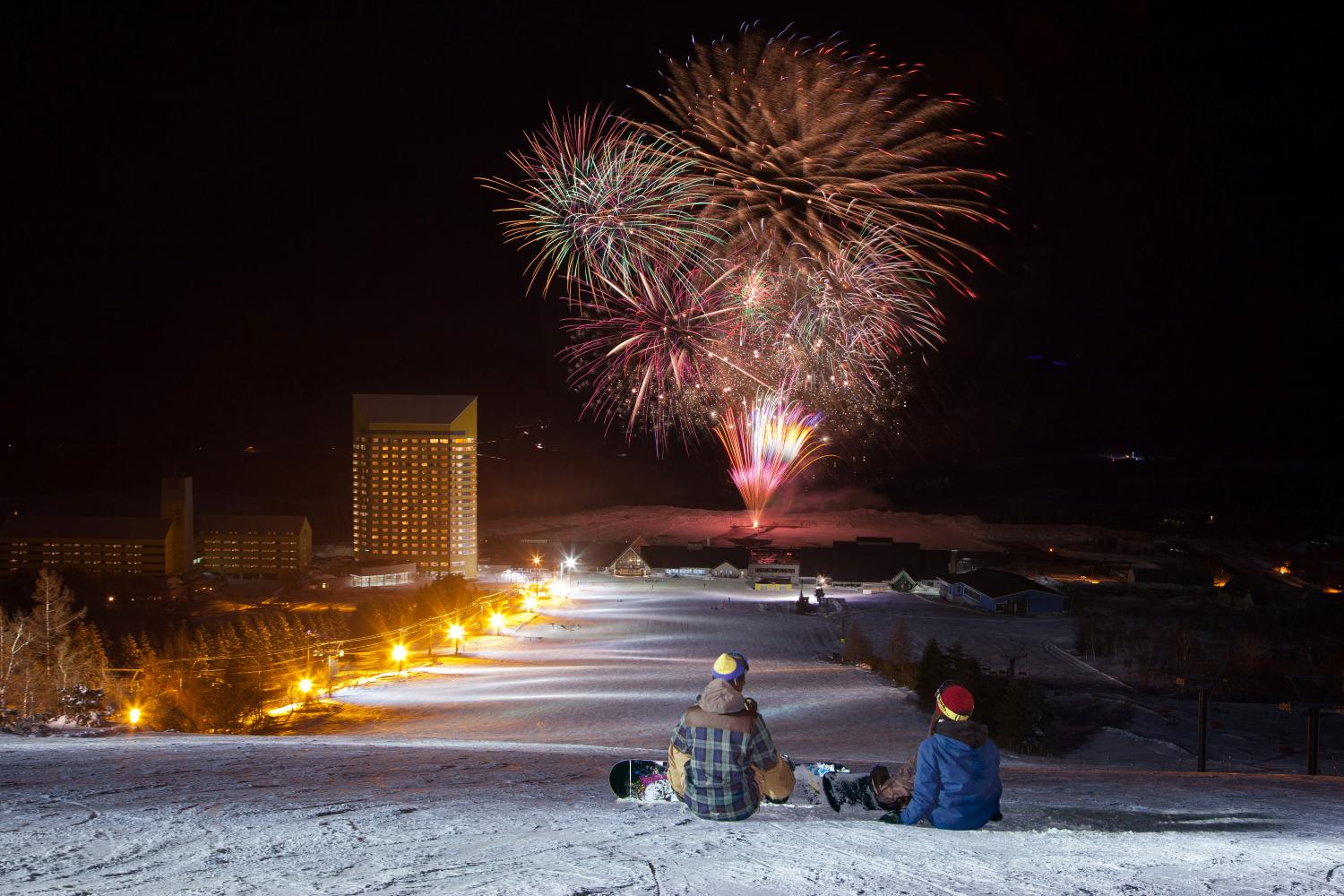
Japan feels very different over the holiday period. Christmas is celebrated, but it is not a traditional family holiday in the same way it is in New Zealand, Australia or Canada. You will still see lights, decorations, Christmas cakes and festive touches in cities and resort hotels, but the bigger cultural moment is New Year. Oshogatsu, the Japanese New Year, is one of the most important times of the year, with shrine visits, traditional food, family gatherings and a deeper cultural atmosphere. Many ski resorts also mark the occasion with countdown events and fireworks, adding a festive mountain-town energy to the experience. For families, it offers something completely different to a Western Christmas, especially when paired with skiing, onsens and time in a Japanese mountain town.
The simple choice is this: choose Canada if your family wants a classic white Christmas with all the festive touches. Choose Japan if you want something more culturally unique, especially if you can build your trip around New Year. Both are special, but they deliver completely different holiday experiences. Talk to the AMPED team, and we’ll help you land on the right one.