
Altitude sickness typically kicks in at elevations around 7,500 to 8,000 feet, and when you ascend to higher altitudes too quickly. This is because the body doesn’t have enough time to adapt to the lower air pressure and oxygen levels at high altitudes.
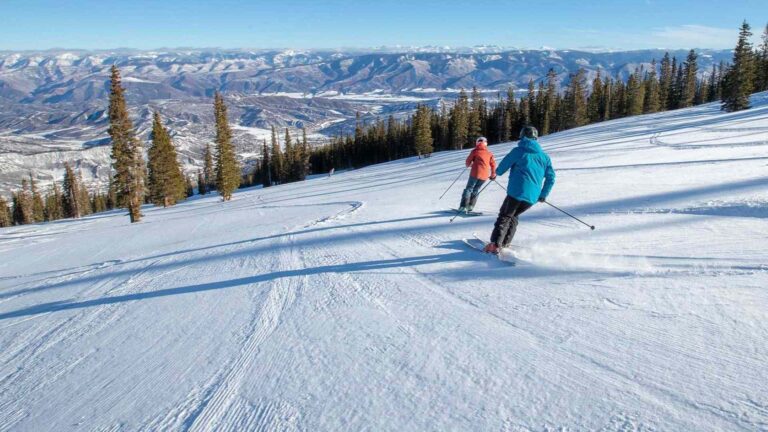
In places such as Colorado, areas with this altitude include almost all ski resorts and surrounding areas, which sit at around 8,000 – 11,000 feet. Altitude sickness can affect anyone regardless of age, gender, physical fitness or previous experience with altitude.
Symptoms
- Difficulty sleeping
- Dizziness or light-headedness
- Fatigue
- Headache
- Loss of appetite
- Nausea or vomiting
- Rapid pulse (heart rate)
- Shortness of breath with exertion
Colorado Resort Altitudes
Tips To Prevent Altitude Sickness
- Before traveling check with a medical professional about preventative medication.
- Consider a stopover on route to break the long journey and give yourself time to recover.
- Give your body time to adjust. i,e. spend a night in Denver when going into Colorado to help acclimatize before making your way to higher altitudes.
- Avoid strenuous exercise the first day. Your body usually adjusts to a new altitude within 24-36 hours.
- Limit alcohol intake. Alcohol binds oxygen and water and robs your body of these two important nutrients.
- Drink more water. The air is drier and your body will dehydrate much more quickly. The higher up you go, the more water you should drink.
- Eating a meal high in carbohydrates will improve your body’s ability to absorb oxygen, and will give you the energy needed to adjust to the elevation. Avoid salty foods – the sodium will increase your blood pressure, which can exacerbate the symptoms of altitude sickness.
- Use the ‘humidifier’ provided in your room by the hotel or condo provider. If there is not one, then call reception and ask for one.
- Oxygen Therapy: Oxygen bars, places where you sit down, pay a fee, and get hooked up to an O2 machine to breathe in oxygen-rich air, have popped up in mountain towns across the world. The promise: A 15- or 20-minute dose of O2 can help alleviate mild symptoms of acute altitude sickness, fatigue, shortness of breath, headache, and nausea; something many people suffer from in mountainous environments.